Meta Description: Discover 10 Islamic preschool activities that nurture your child's Fitra. Balance digital safety with Tarbiyah for a peaceful, faith-filled home.
Raising a child who loves their Deen shouldn't mean choosing between messy floors and screen-time guilt. We reclaim technology as a partner in your child’s Tarbiyah, creating a serene home where faith flourishes naturally.
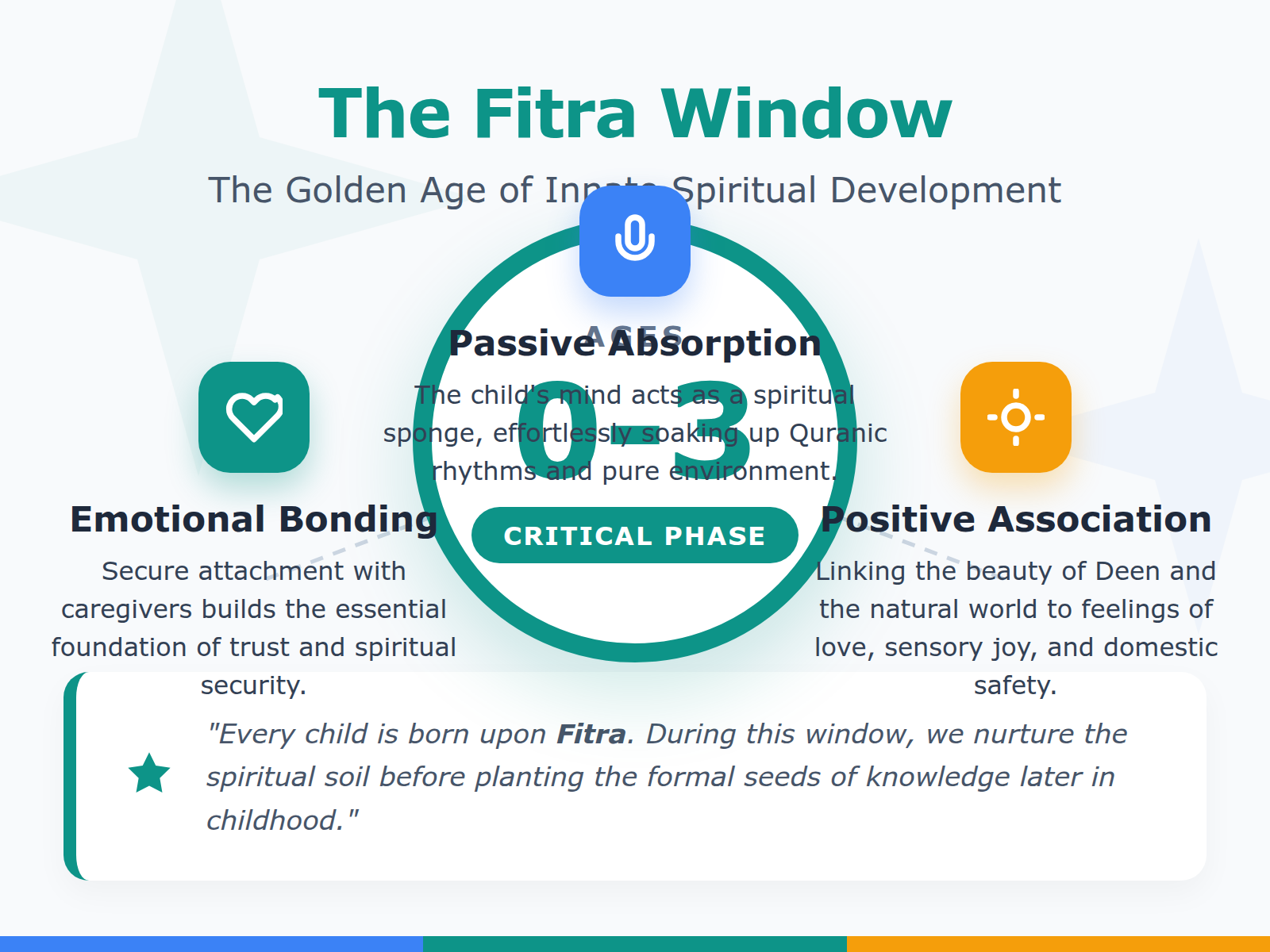
The first three years are the Fitra window, a vital phase where toddlers absorb spiritual values through joy and bonding. These Islamic preschool learning activities link the beauty of Allah’s creation to your child’s primary sense of security.
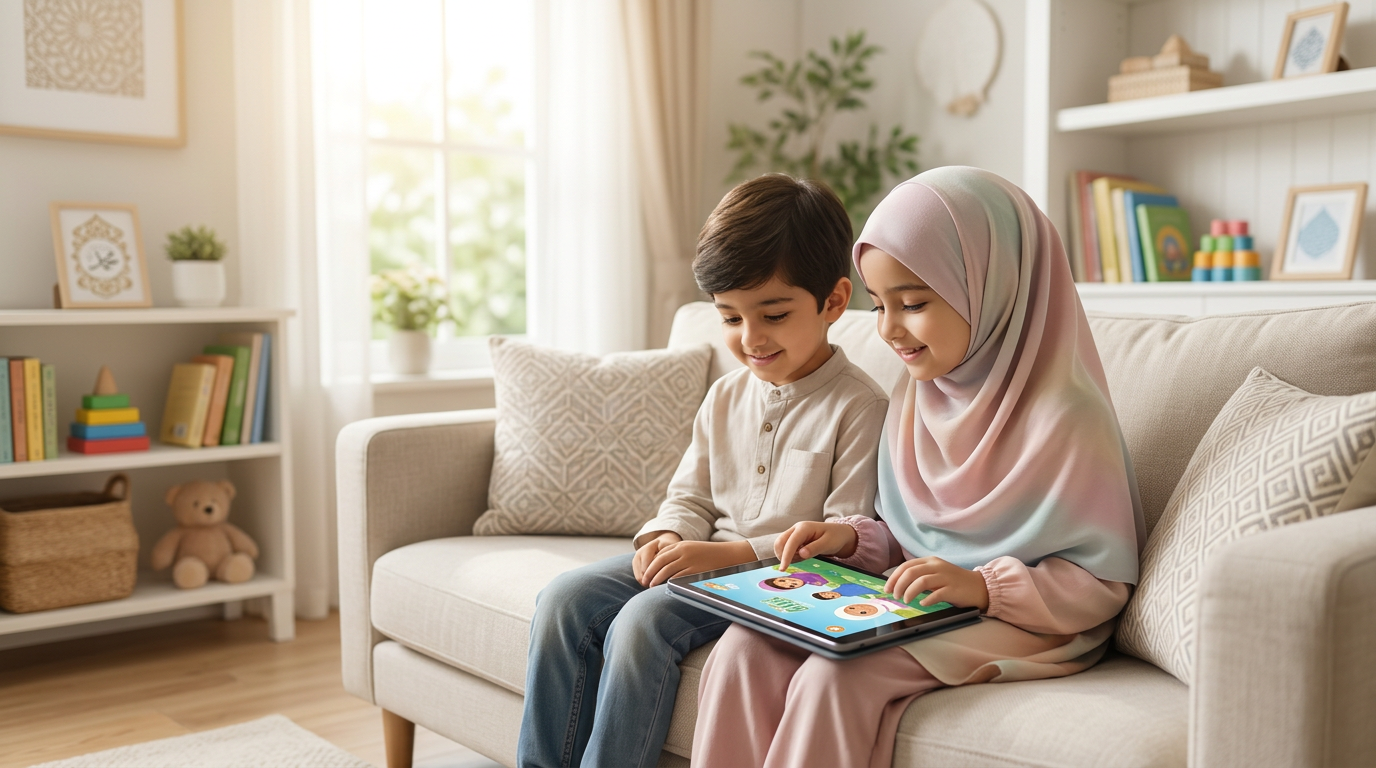
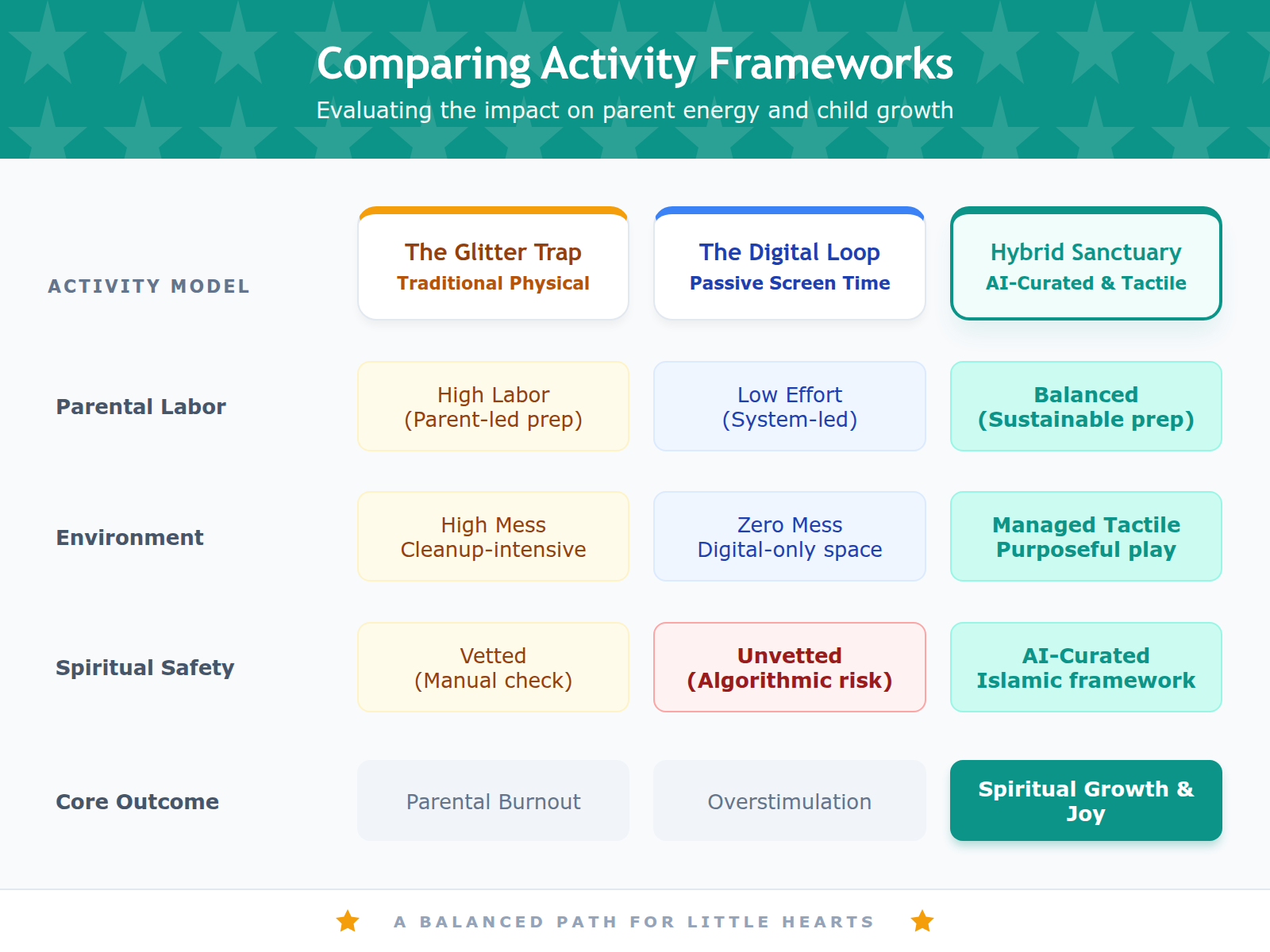
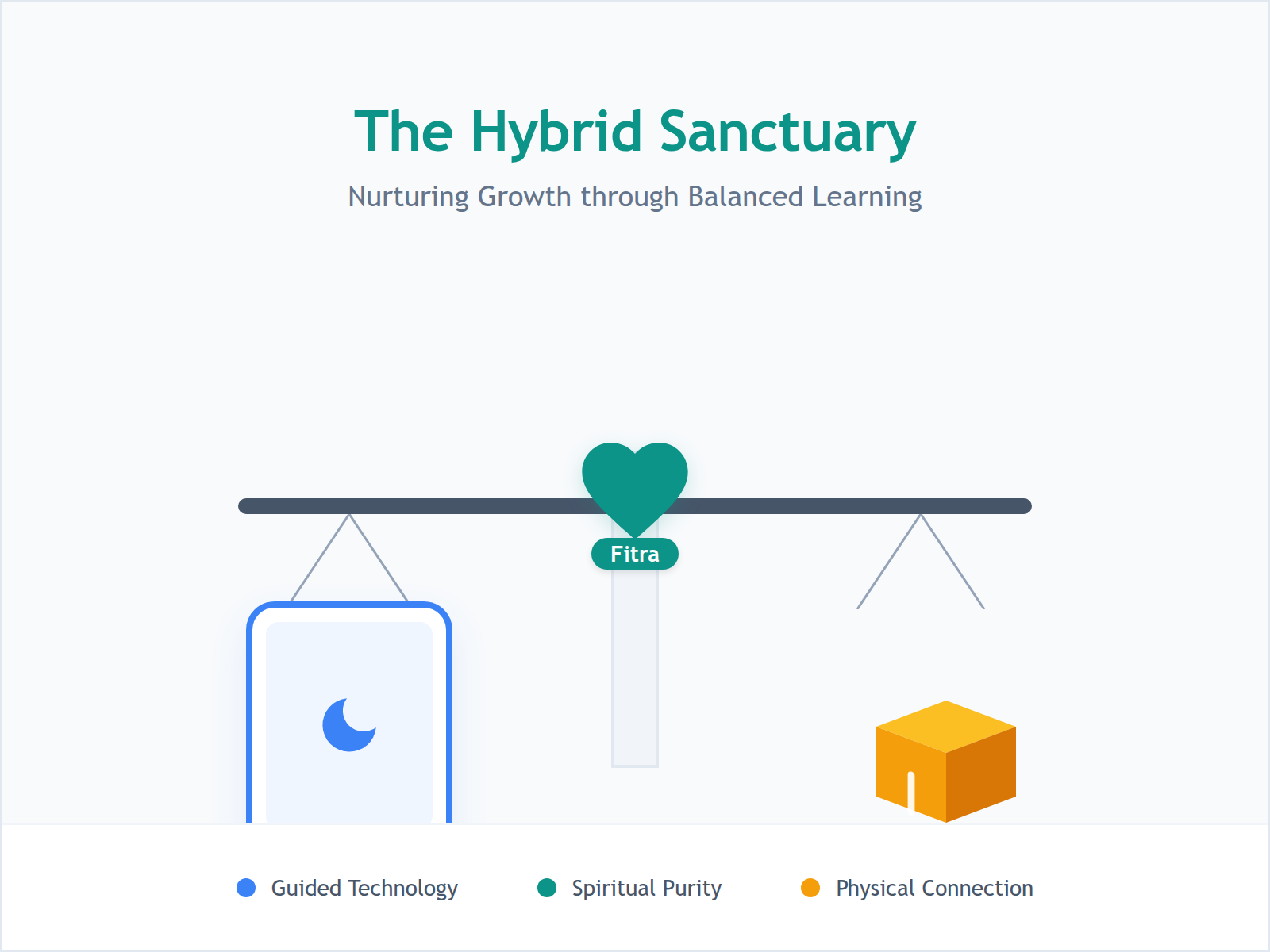
Many parents feel trapped between exhausting crafts and the "wild west" of mainstream media. Our Hybrid Sanctuary model offers a middle path, using AI-guarded, halal digital anchors to inspire real-world, tactile exploration.
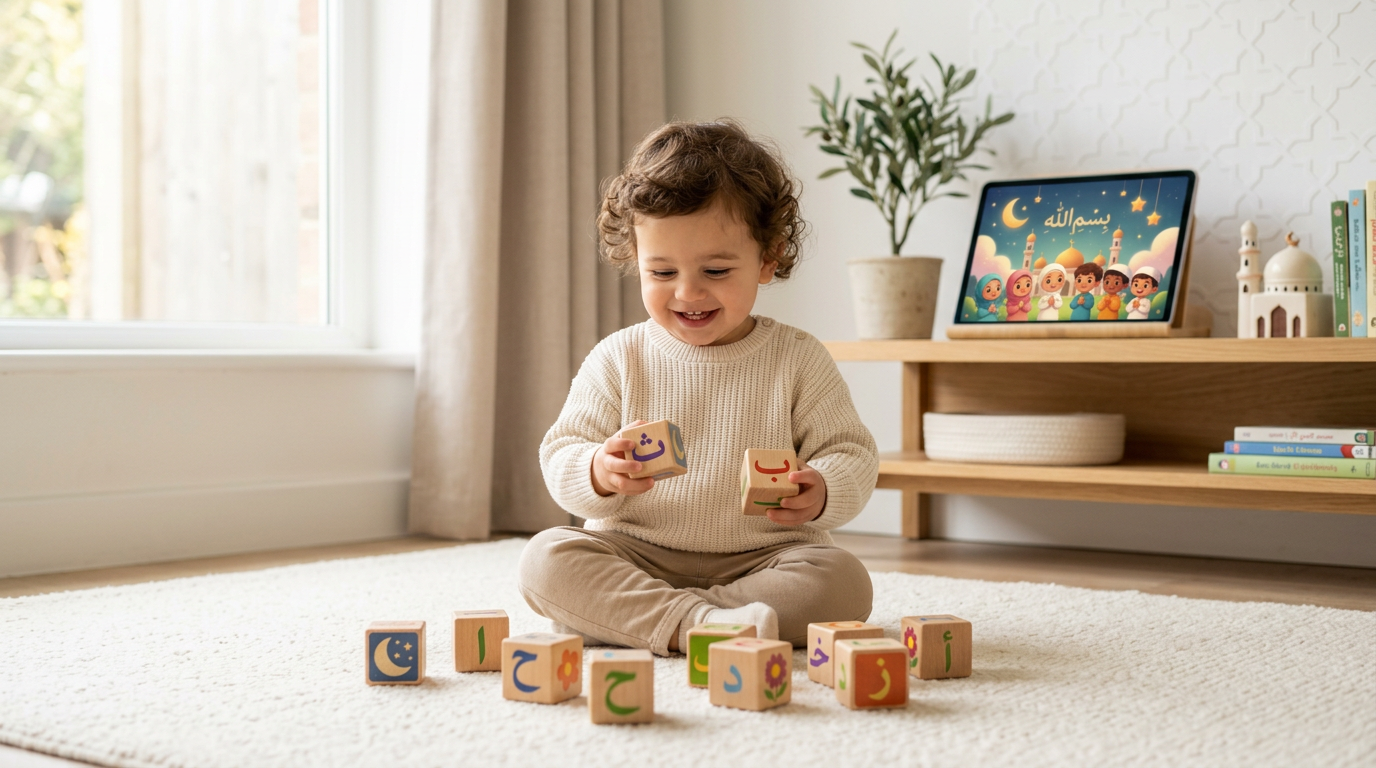
This guide explores ten authenticated supplications from the Quran and Sunnah paired with low-prep sensory activities. By bridging "Watching" and "Doing," we’ll help you build a spiritual foundation that is both deep and delightful for your little one.
The Hybrid Sanctuary: Why Your Toddler Needs Both Digital and Tactile Play
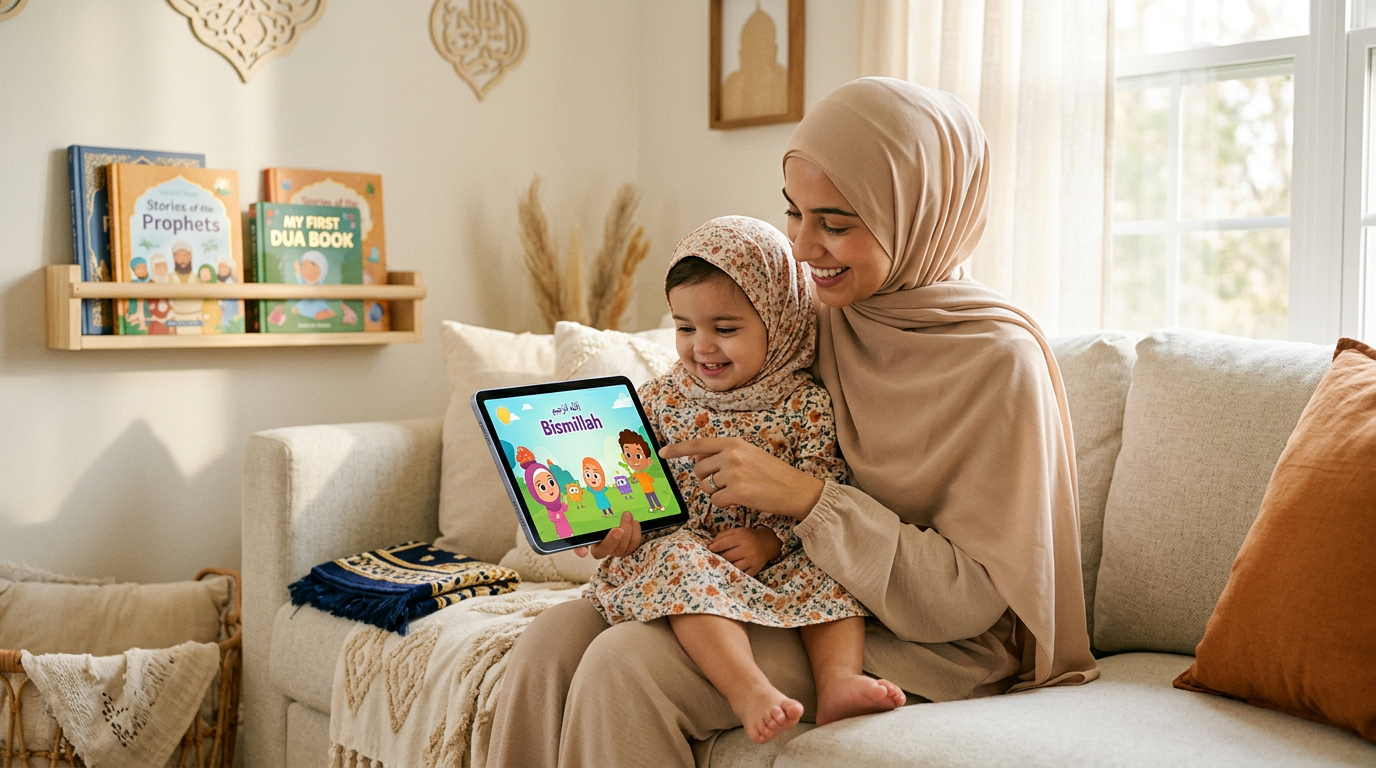
The Hybrid Sanctuary balances digital safety with tactile exploration. We've designed Babymode as a serene anchor, providing foundational islamic education for babies that protects their Fitra from the chaotic algorithms of mainstream media. It’s a seamless way to spark curiosity and bring the beauty of our Deen into your home through a "guarded" digital space.
Active Learning: The "Mirror and Move" Method
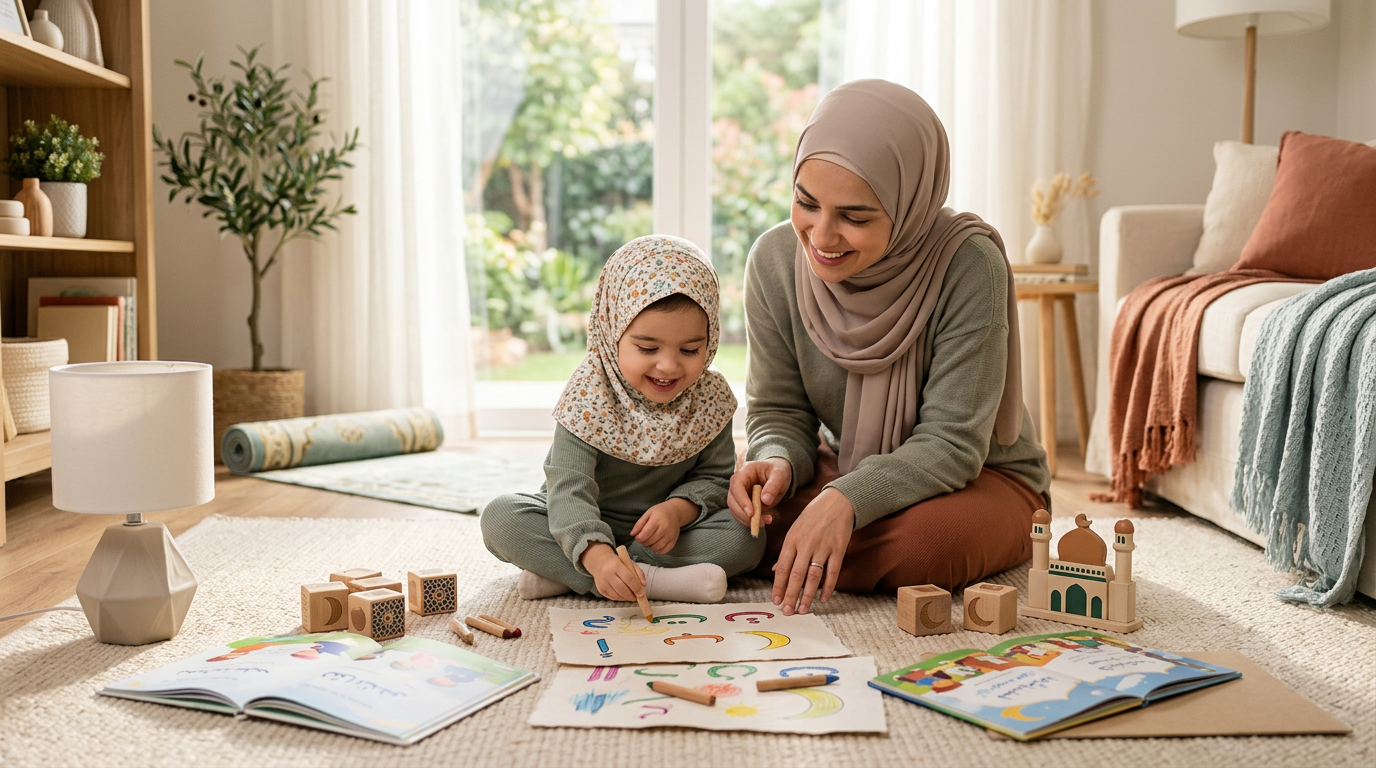
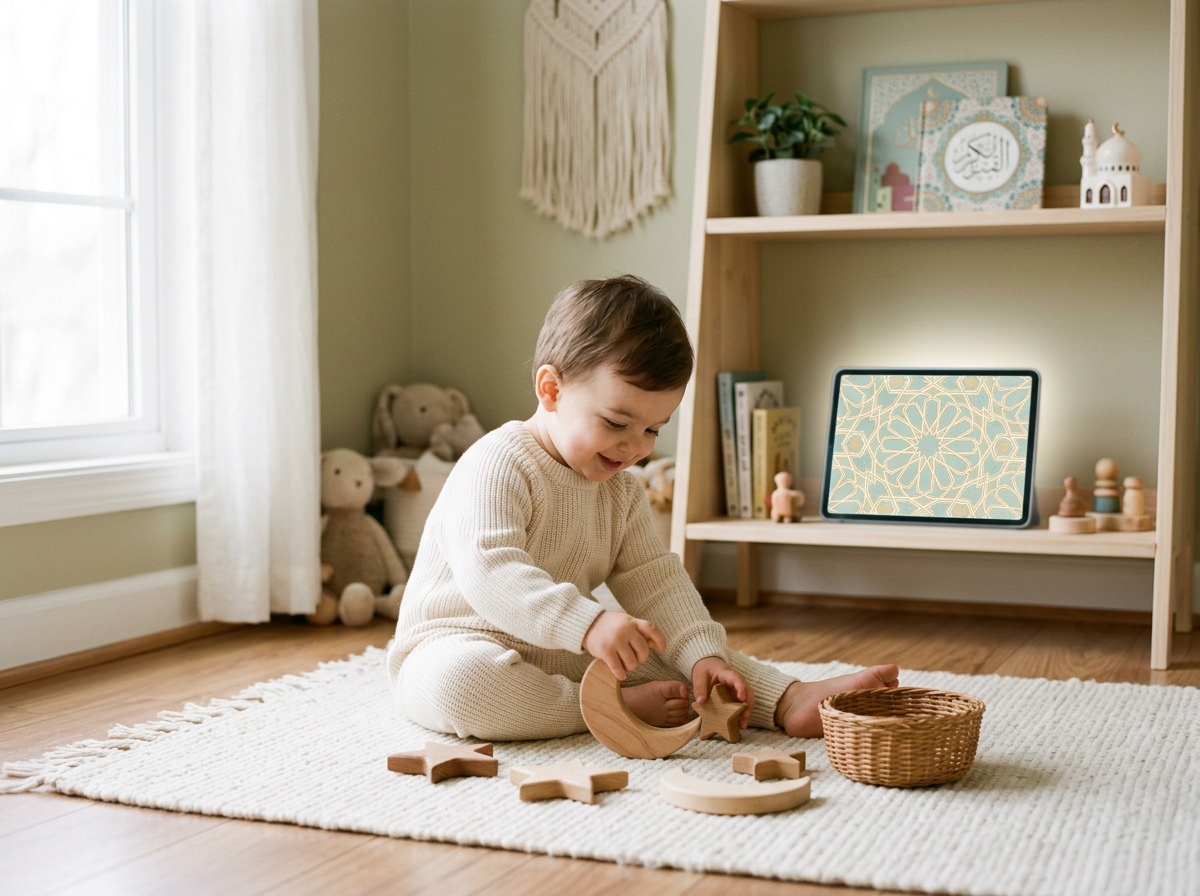
Our "Mirror and Move" approach makes Tarbiyah effortless for busy parents. Your toddler first mirrors the Sunnah-inspired duas or nasheeds they see on screen. Then, they transition to a tactile station—like a sand tray for tracing or clay for modeling—to physically reinforce the spiritual lesson.
This method brings ten authenticated supplications from the Quran and Sunnah to life through sensory play. By moving from "watching" to "doing," your child moves beyond passive consumption to active, joyful engagement with their faith.
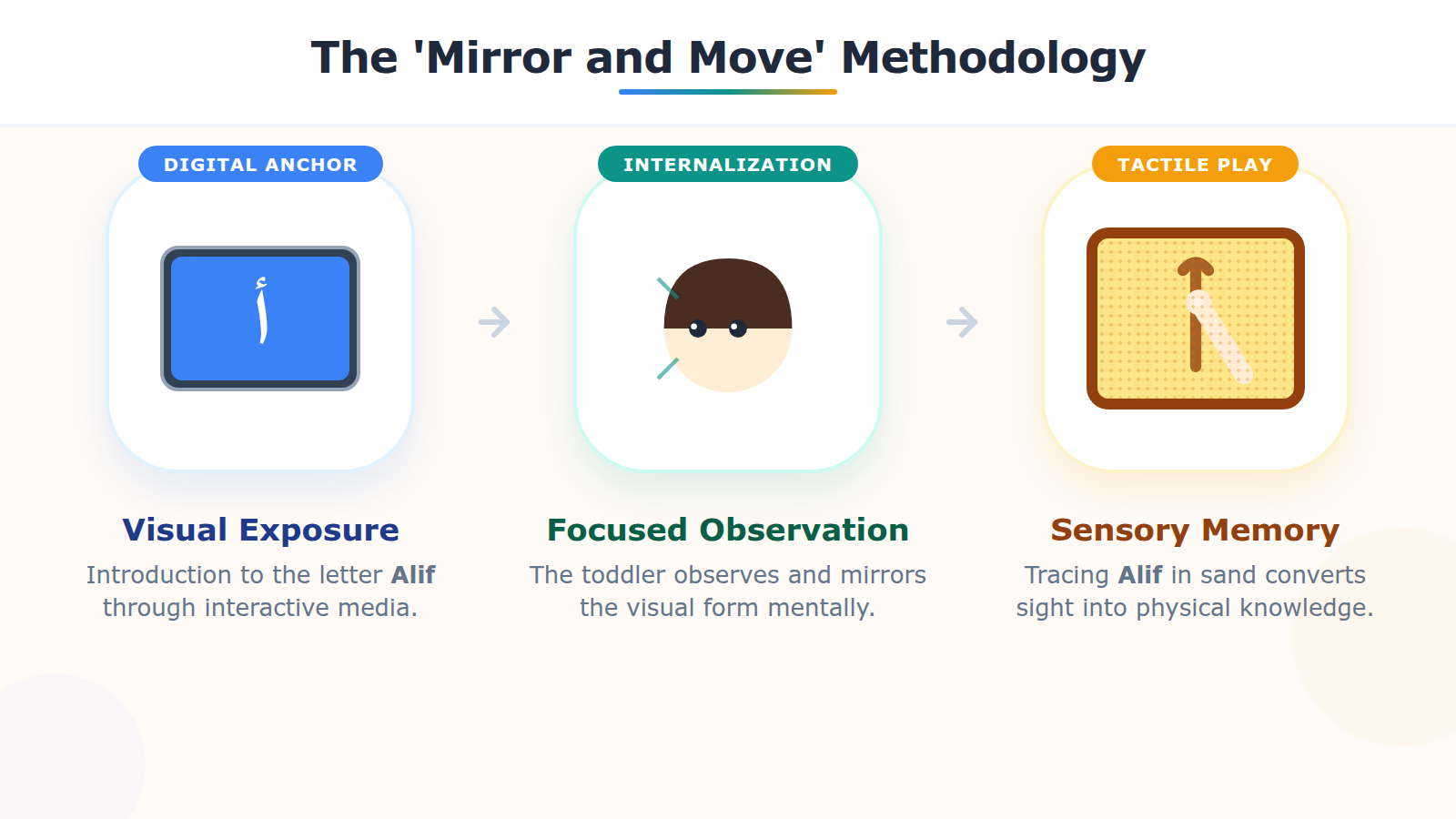
Parenting Tip: For playgroups, use a Babymode video to introduce a theme, then invite the little ones to explore a sensory bin filled with items like a miniature prayer mat or crescent moon. It’s a beautiful way to foster the Ummah while keeping your preparation stress low.
1. Arabic Alphabet Sand Tracing: From Screen to Sandbox
Transform your living room into a serene Tarbiyah hub with just a shallow tray and some colored salt. This sensory-rich setup offers a high-contrast canvas that makes arabic alphabet learning for toddlers feel like a magical discovery rather than a chore.
Setting the Sensory Stage
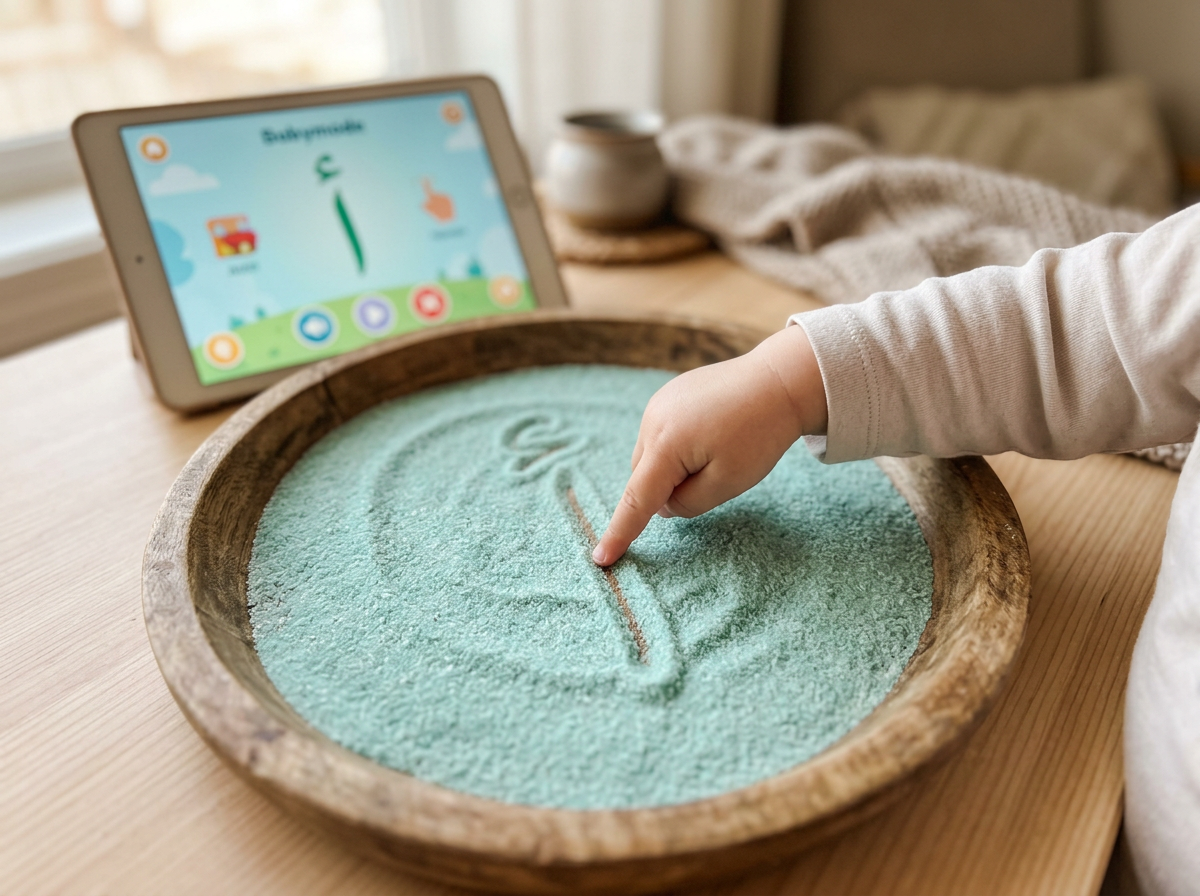
Start by playing a Babymode Arabic alphabet video to model the correct stroke order for your child. Once your little one sees the 'Alif' or 'Ba' come to life on the screen, encourage them to mirror that movement in the sand with their finger.
Mapping the Letters
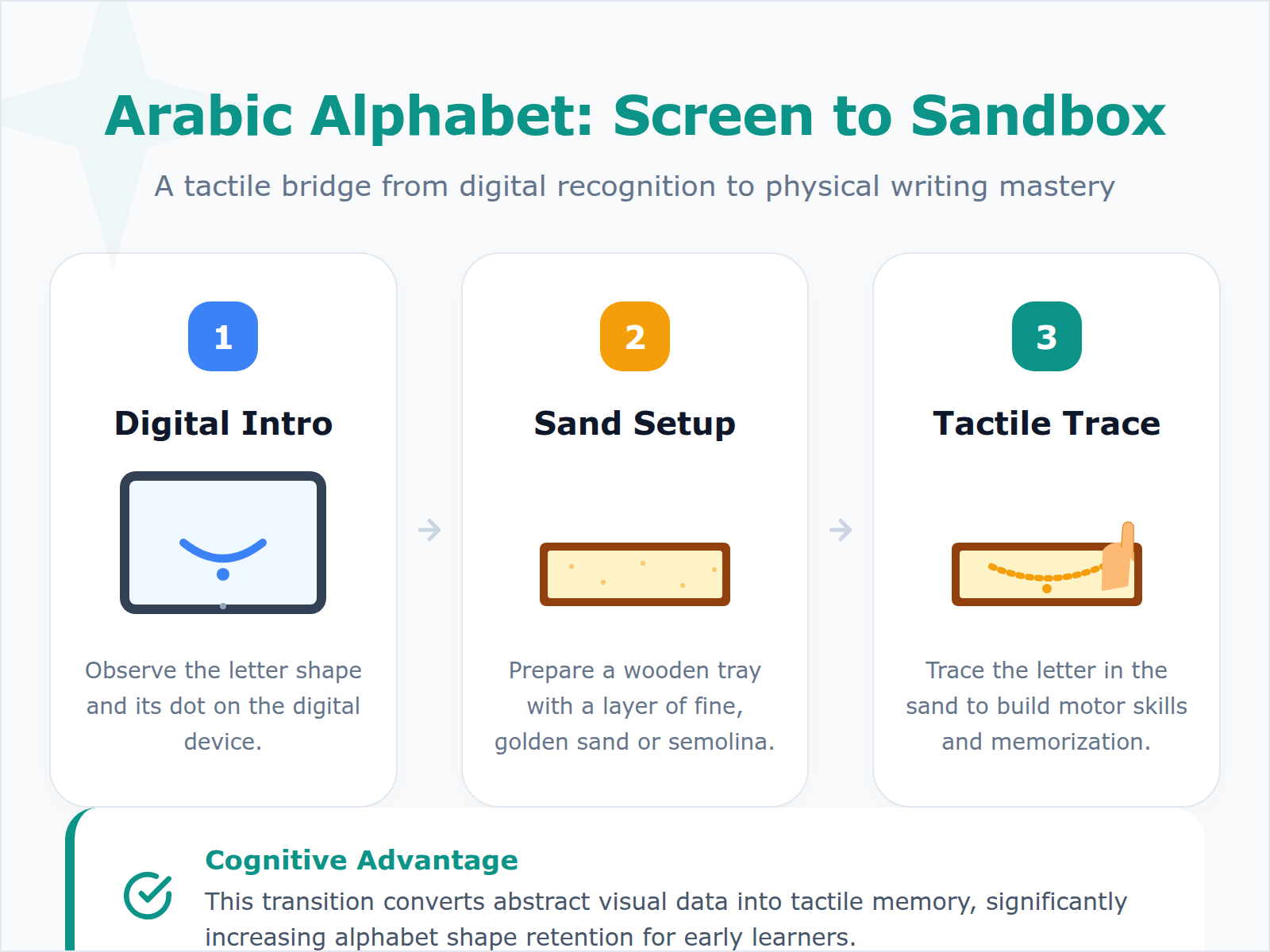
This tactile "echo" builds muscle memory while protecting your child’s Fitra from the chaotic energy of mainstream media. It’s a joyful, low-pressure way to develop fine motor skills and letter recognition simultaneously.
Playgroup Mod: Hosting a local Ummah gathering? Use recycled plastic container lids as individual "mini-trays" for a cost-effective group activity. This ensures every toddler has their own space to trace and explore their first letters in a communal, faith-filled setting.
2. Sensory Moon-Phase Modeling with Clay
Teaching the Hijri calendar becomes a joyful, tactile adventure when you connect the moon's beauty to Allah’s role as Al-Khaliq (The Creator). Using air-dry clay or playdough transforms an abstract concept into a tangible sensory experience for tiny hands. These islamic preschool learning activities foster a deep appreciation for the heavens while grounding your child in their fitra through the wonders of nature.
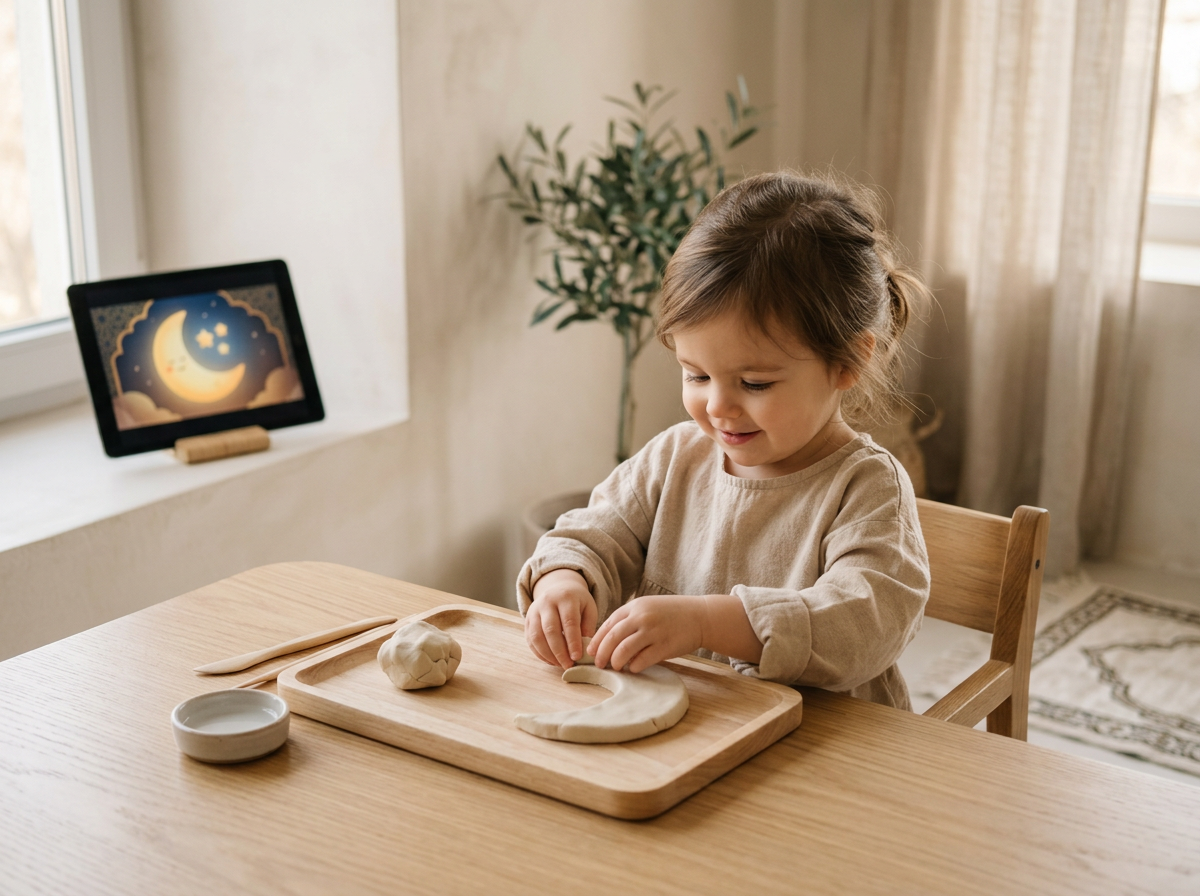
Modeling the Hilal
Encourage your little one to roll the clay into smooth, round spheres to represent the full moon. Then, use a safe plastic tool or a cup edge to "slice" away sections, creating a beautiful hilal (crescent). This hands-on phase allows toddlers to physically "capture" the moon, making the rhythm of the Islamic months tangible and fun.
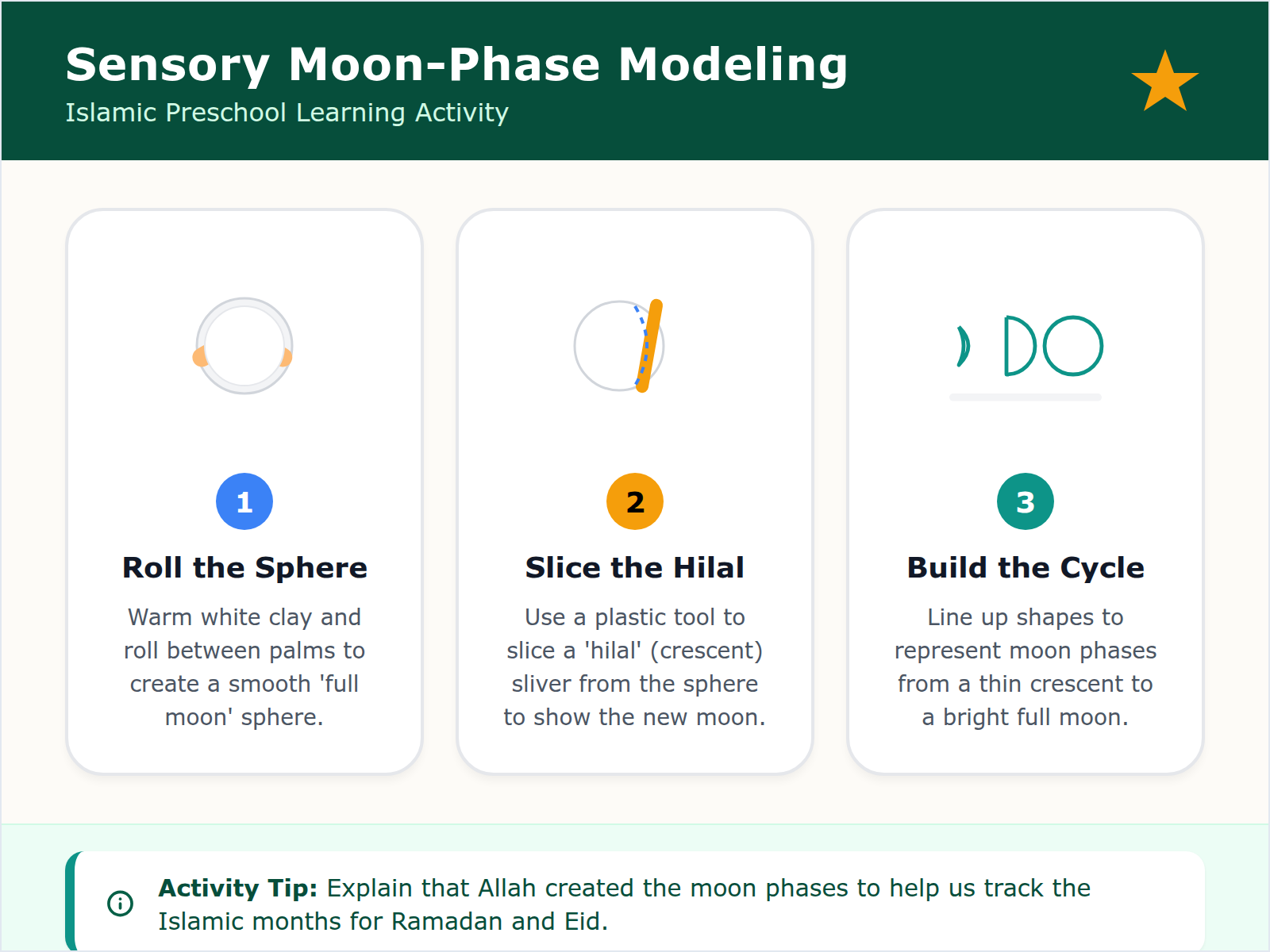
Pair this with a calm Babymode video about Ramadan to provide context as they work. These islamic preschool learning activities bridge digital curiosity with tactile discovery, ensuring the lesson sticks. Playgroup Mod: Create a "Giant Lunar Wall" where each child adds their clay moon to a shared display. It’s a wonderful way to showcase the beauty of the Ummah learning and growing together!
3. Daily Dua Discovery Bins
Creating Tangible Anchors
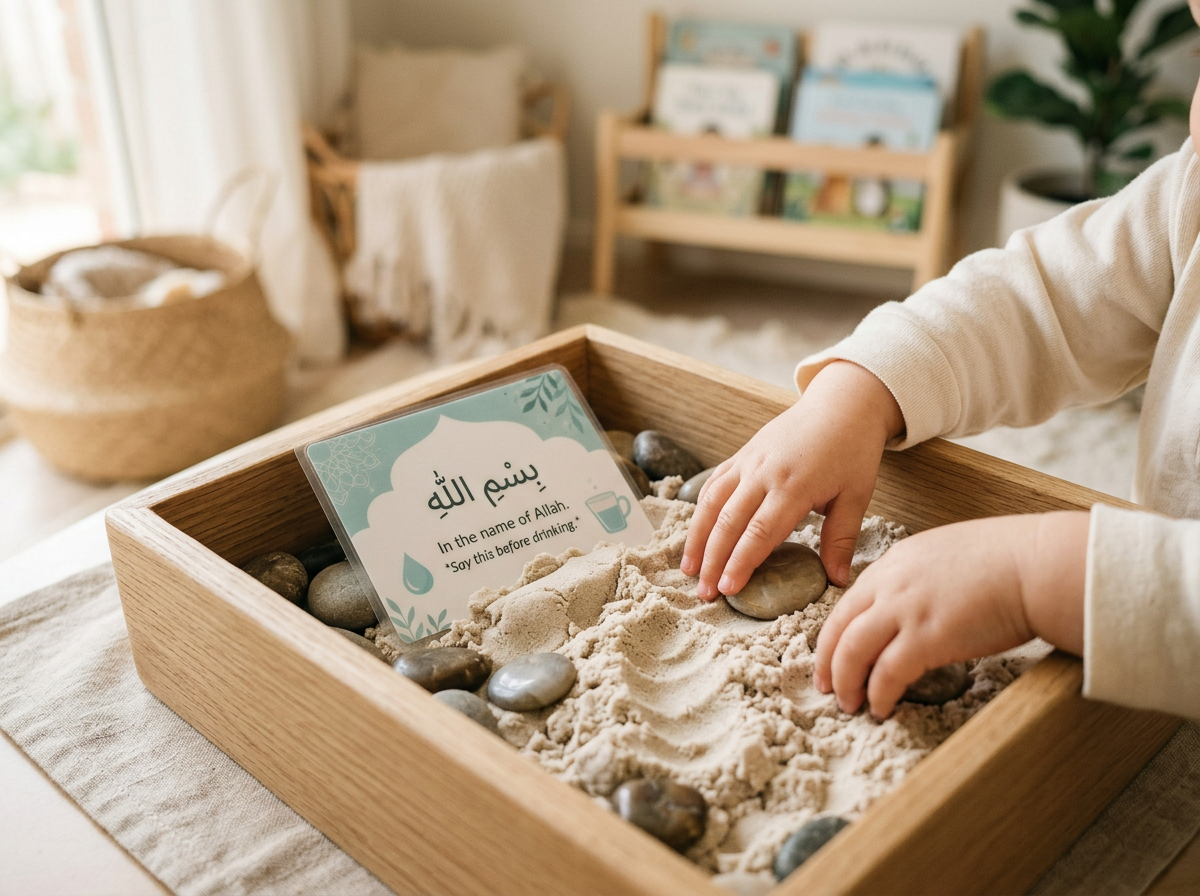
Sensory bins transform abstract words into "memory anchors" for tiny hearts. By filling a container with simple items like a small cup or soft cloth, you provide a physical context for daily duas for muslim toddlers. This tactile exploration protects their Fitra while making the Sunnah a joyful, low-pressure part of their morning.
Navigating the Sunnah
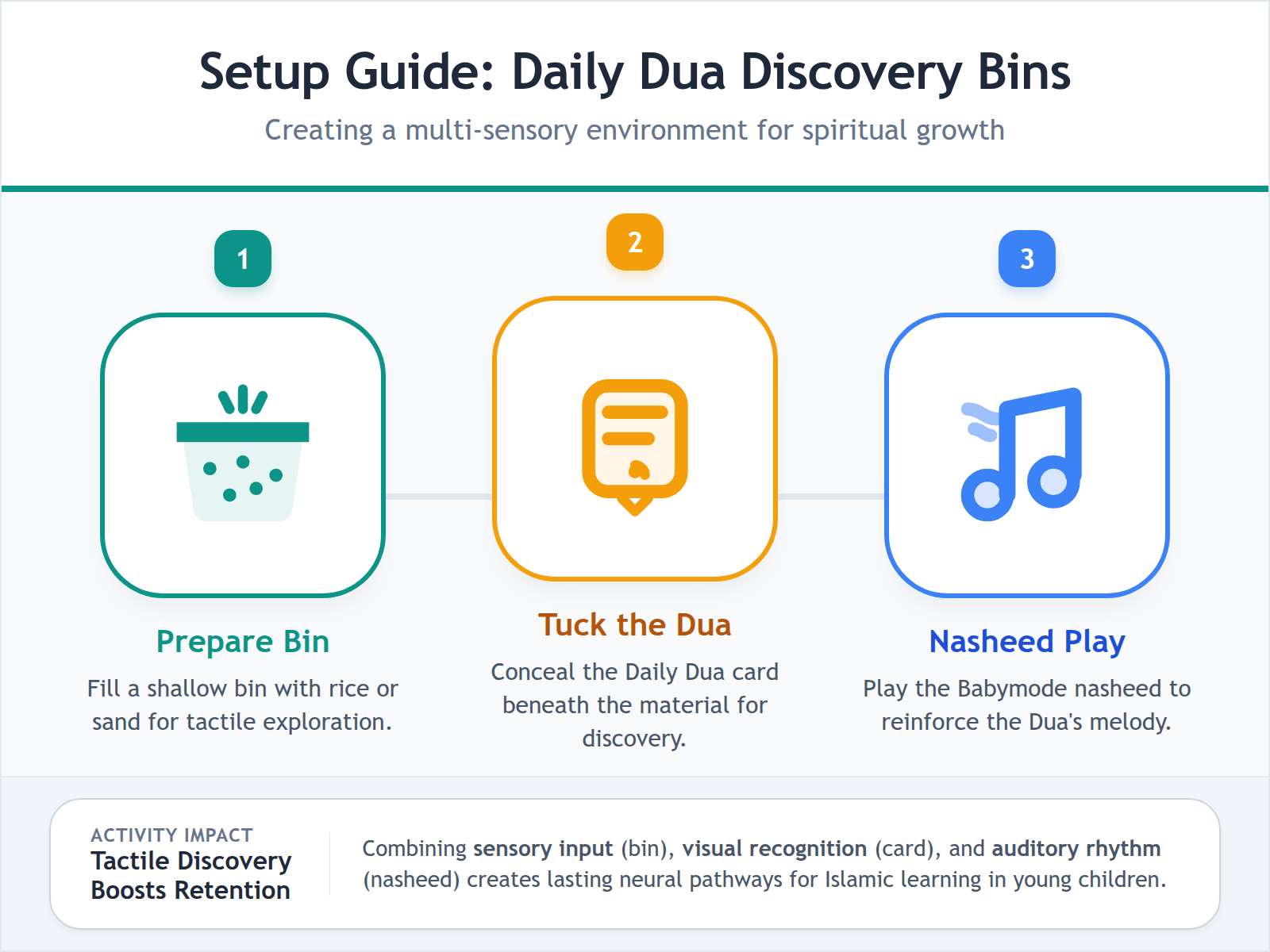
Hide cards representing the ten authenticated supplications from the Quran and Sunnah—essential for every child’s routine—inside the bin. As your little one explores the textures, play a Babymode video to reinforce the Tarbiyah lesson. This synergy bridges the digital and tactile worlds, making faith feel like a natural discovery.
Playgroup Mod: Host a "Dua Scavenger Hunt" where children find objects matching the day's supplication. It’s a high-energy way to build a communal sense of Ummah while introducing the Prophet’s (ﷺ) teachings through active play.
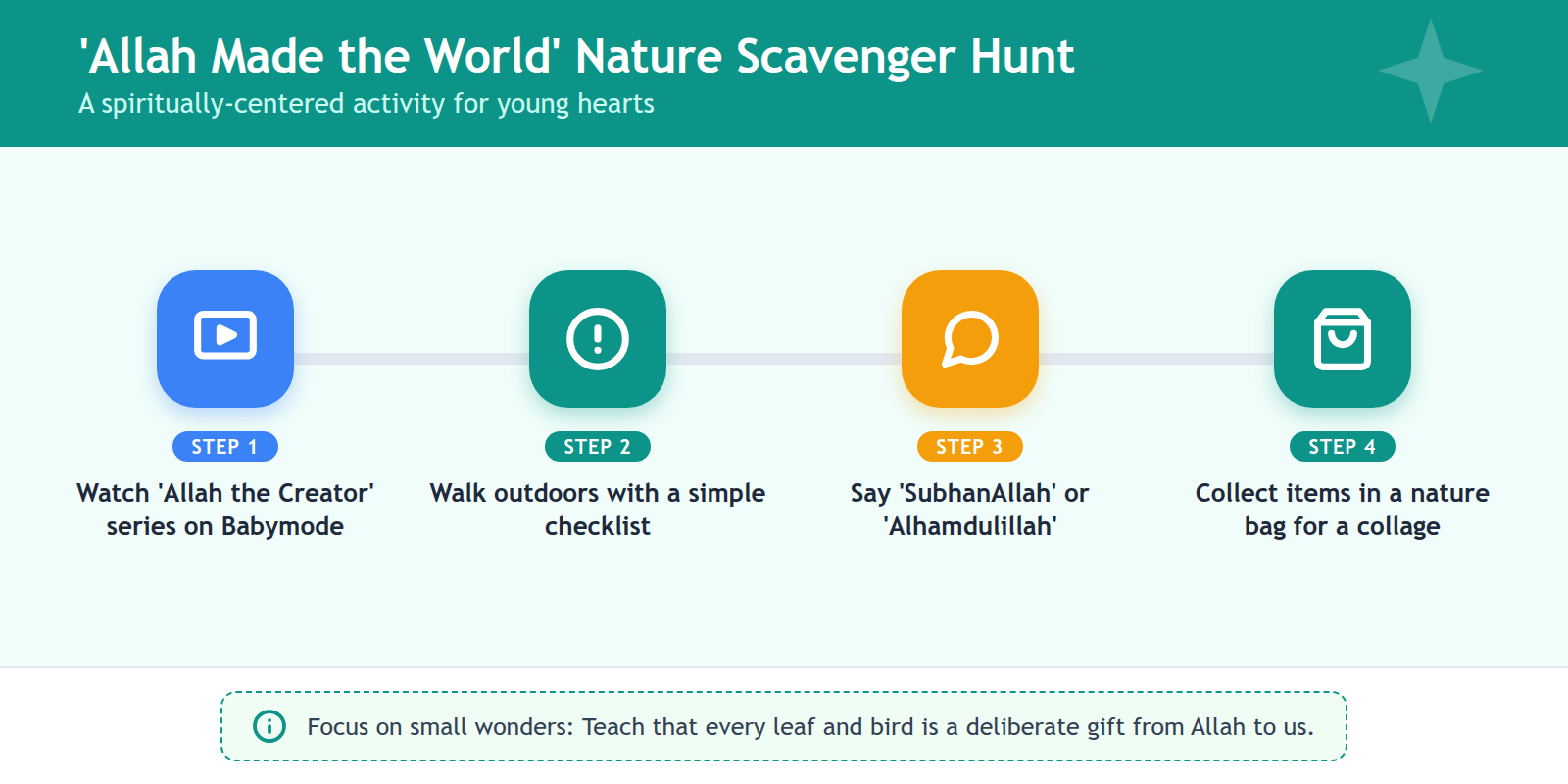
4. 'Allah Made the World' Nature Scavenger Hunt
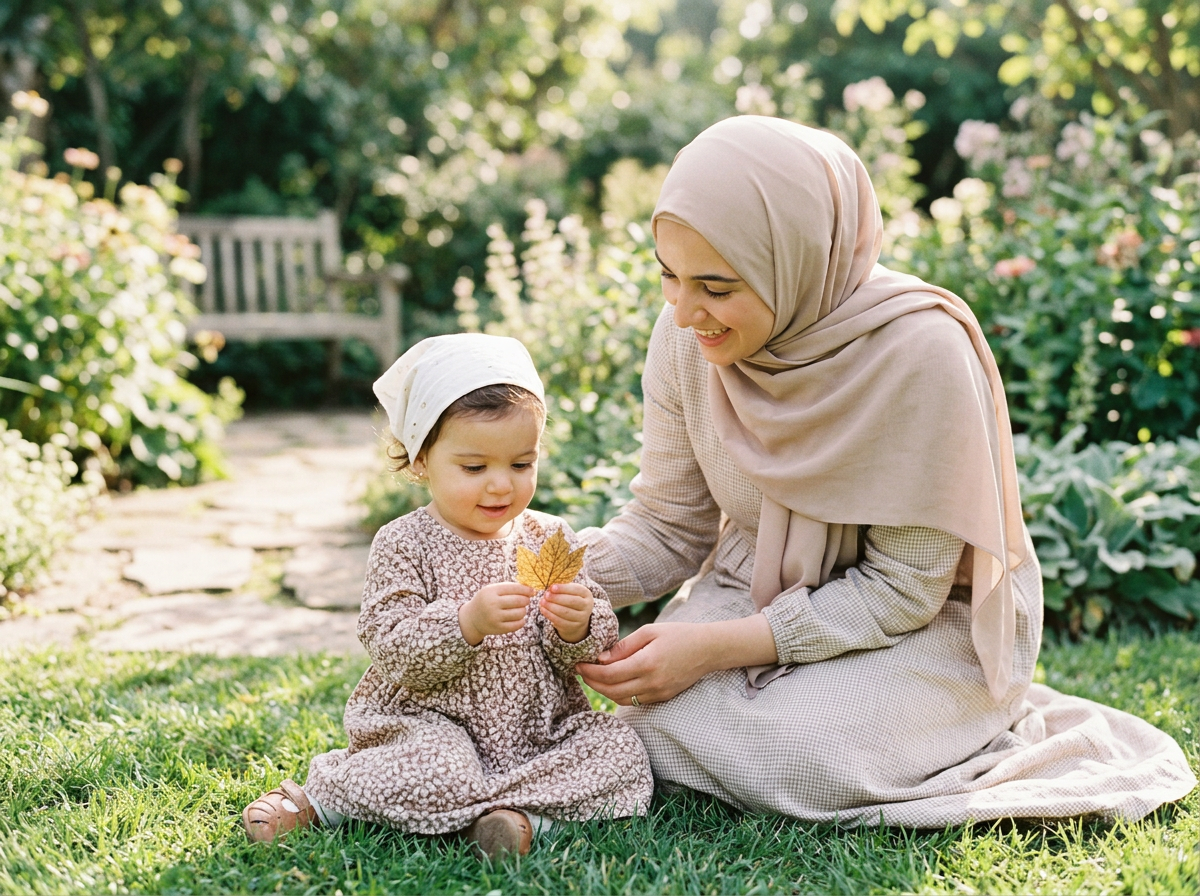
There is no better way to protect a child's Fitra than by teaching toddlers about Allah through play in the great outdoors. Before heading out, use Babymode’s ‘Allah the Creator’ series as a high-quality "pre-walk briefing" to prime their curiosity and set a serene spiritual stage.
Finding the 'Micro-Wonders'
Equip your little explorer with a simple picture-based checklist featuring a leaf, a smooth stone, and a flower. As they touch rough bark or soft moss, they engage in "Texture-to-Tawhid," moving from physical sensation to recognizing the Creator’s unique design. Every time a treasure is discovered, practice "Spiritual Echoing" by modeling a joyful SubhanAllah or Alhamdulillah to link natural beauty with the remembrance of Allah.
A Collective 'Shukr' Collage
Hosting a playgroup? Give each child a "nature bag" to collect their finds for a communal Tarbiyah project. Finish by gluing the items onto a large poster to create a "Shukr" (Gratitude) collage, teaching the Ummah's youngest members that teaching toddlers about Allah through play reveals how every leaf and stone is a gift.
5. Playdough Salah Positions: Building Muscle Memory
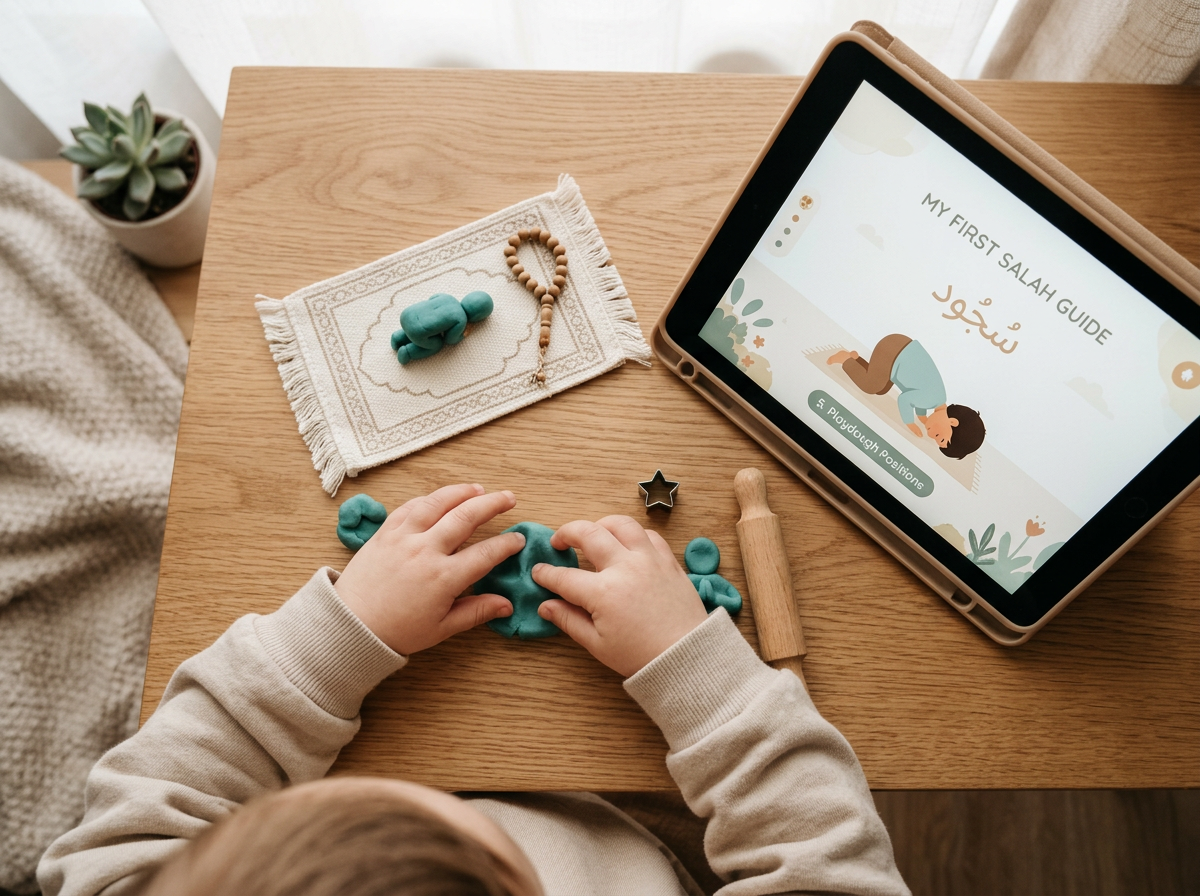
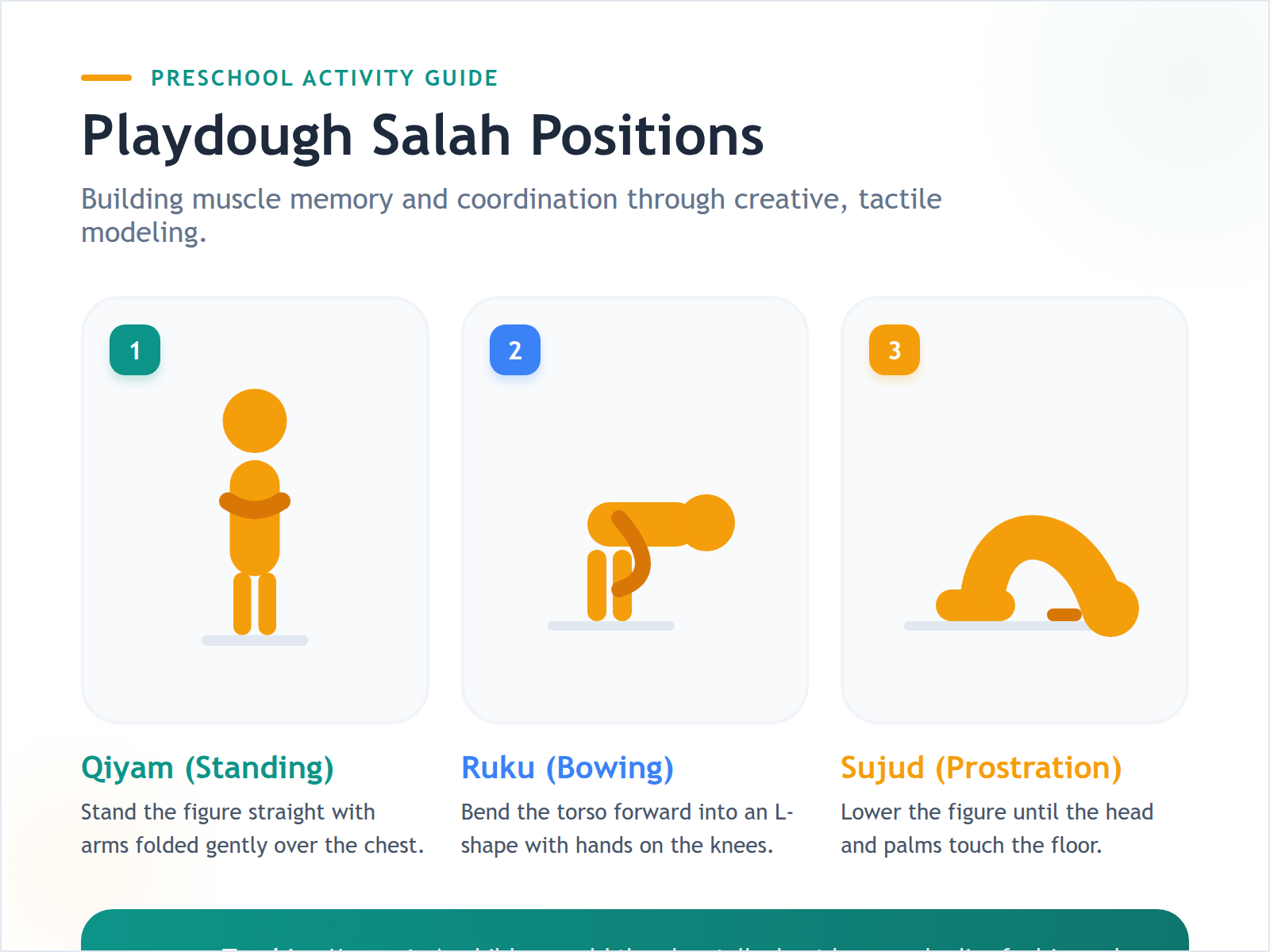
Teaching the physical flow of Salah is most effective when it starts with tiny, tactile movements. By molding simple playdough stick figures, your toddler can visualize the "geometry of worship" before trying it themselves. In our testing, we've found that focusing on the gentle curves of Ruku and the humble posture of Sujud helps externalize these positions, making them feel like a natural part of their Fitra.
Mirroring the Movement
To keep the pace calm and serene, use Babymode’s slow-paced prayer tutorials as a visual guide while you work. These videos act as a "digital anchor," showing the transition between positions without overstimulating the senses. This combination of screen and clay is one of our favorite islamic preschool learning activities because it builds muscle memory through joyful observation.
The 'Follow the Leader' Mod
For a playgroup setting, turn this into a lively "Follow the Doll" game. The leader moves a playdough figure or a doll into a position, and the children mimic the action on their own mini prayer mats. It’s a cheerful, high-energy way to foster a sense of Ummah through shared movement and restorative Tarbiyah.
6. The 'Giving Jar' Sadaqah Craft
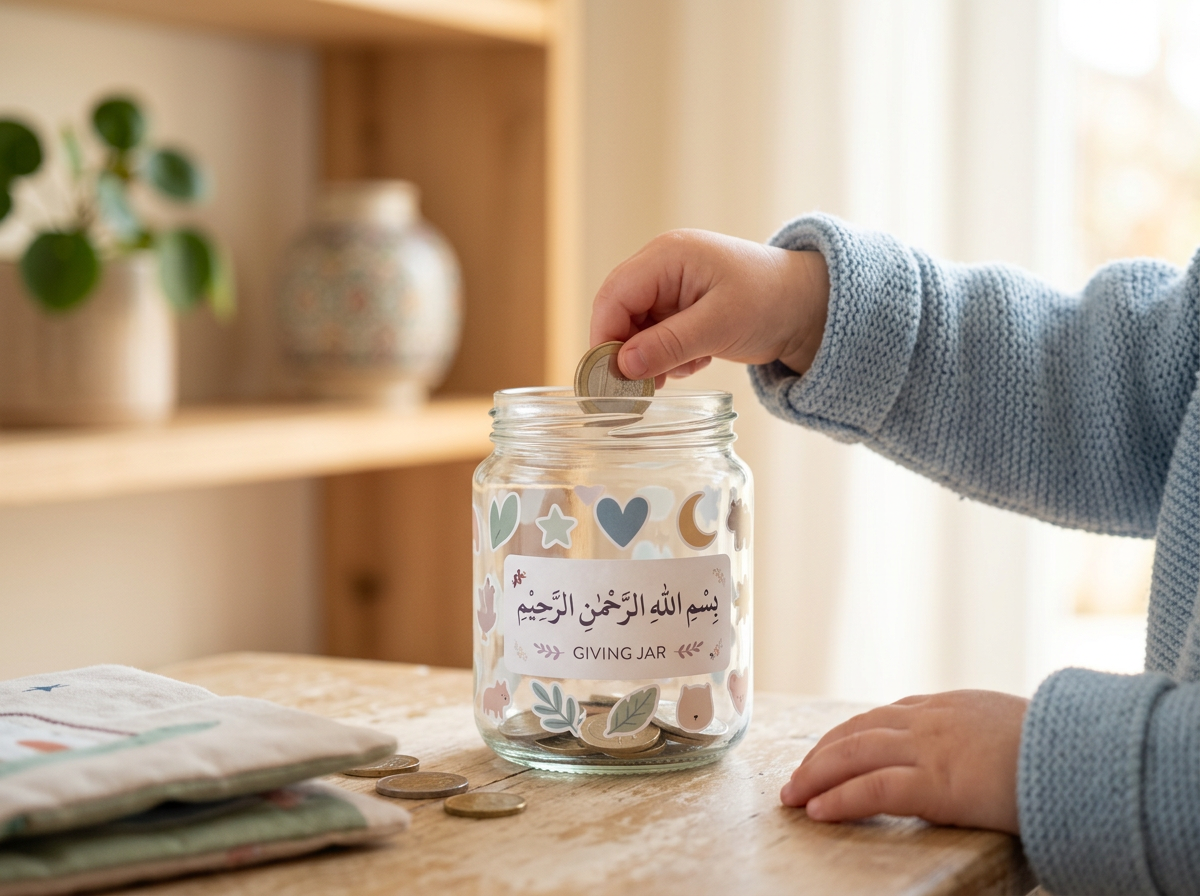
Generosity is a seed best planted early in a child’s heart. By decorating a jar with 'Bismillah' labels, you transform a simple object into a vessel for Barakah. This creative process helps sanctify the ordinary, teaching your little one that even a small coin supports the wider Ummah.
Establishing the Jummah Habit
Make giving a weekly celebration by establishing a consistent Friday (Jummah) routine. After reciting your morning duas—including the authenticated supplications essential for a child’s routine—the distinct 'clink' of a coin imprints the joy of Sadaqah onto their Fitra. Pair this with Babymode’s kindness stories as a digital anchor to reinforce these values.
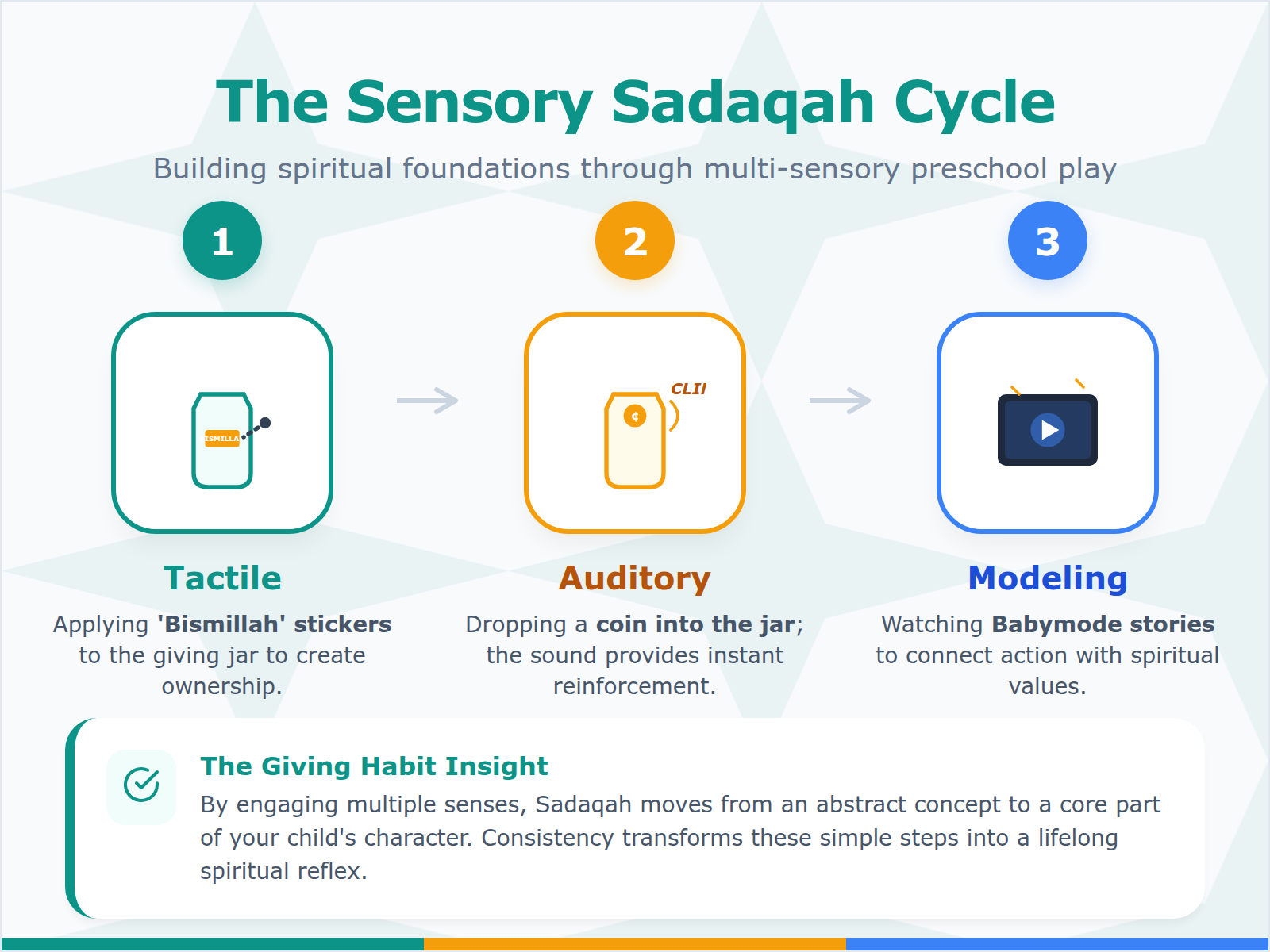
The Beauty of Shura
Playgroup Mod: Create a collective 'Group Sadaqah Jar' to foster a sense of community. Invite children to practice Shura (consultation) by 'voting' with pebbles to choose which charity to support. It’s a fast-paced lesson for any islamic parenting toddler guide, teaching them that small contributions create a significant collective impact through Tarbiyah.
7. Nasheed Rhythm Play: Instrument-Free Melodies
Rhythm is the heartbeat of language, and for our toddlers, it’s a gateway to loving their Deen. By using simple wooden spoons as "rhythm sticks," you can turn a quiet listening session into an active Tarbiyah experience. This hands-on play helps your child internalize the syllabic beat of sacred phrases like SubhanAllah, building a "pre-Tajweed" foundation through pure, joyful movement.
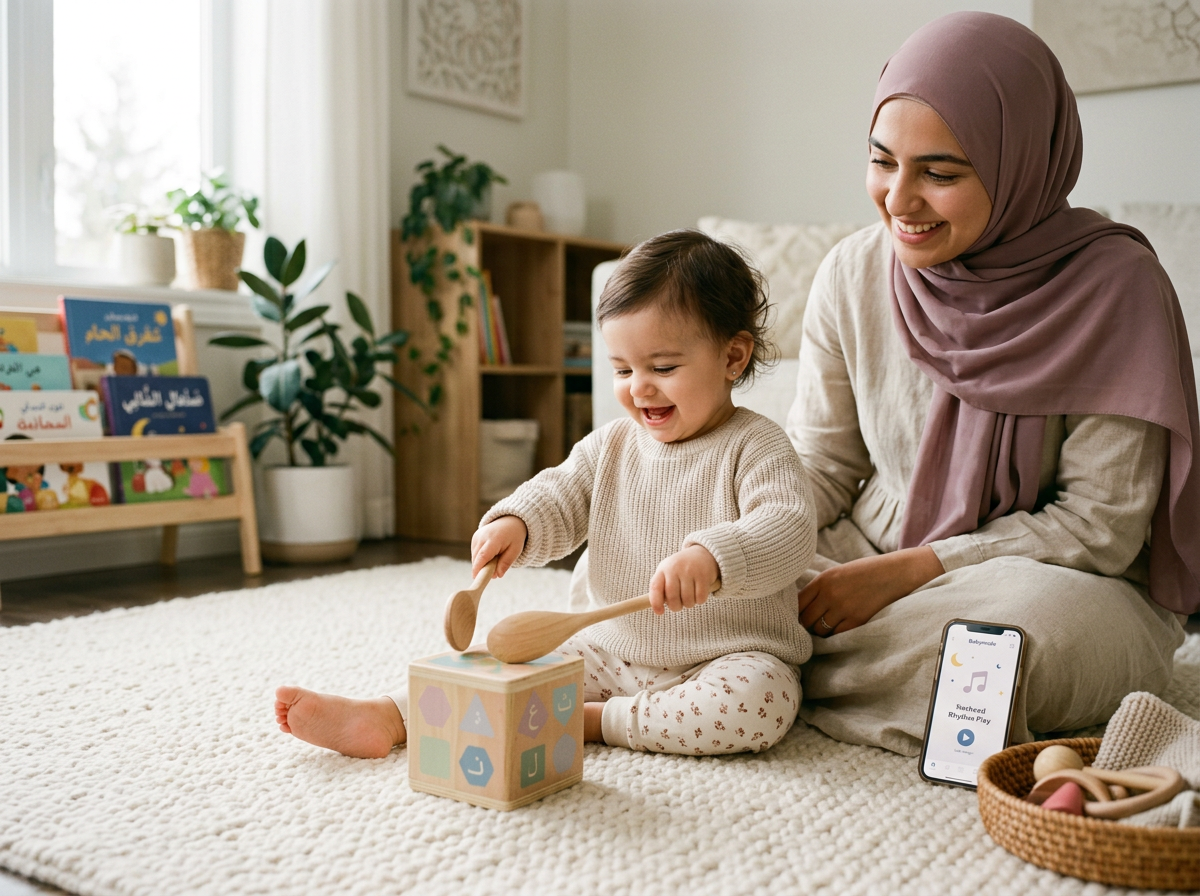
To keep the environment serene and focused, we recommend choosing a high-quality nasheed without instruments for kids from the Babymode library. These vocal-only melodies prevent auditory overstimulation, allowing your child’s fitra to connect deeply with the spiritual weight of the lyrics. As they tap along to the "vocal-only" cadence, they are mirroring the natural rhythm of dhikr with every beat.
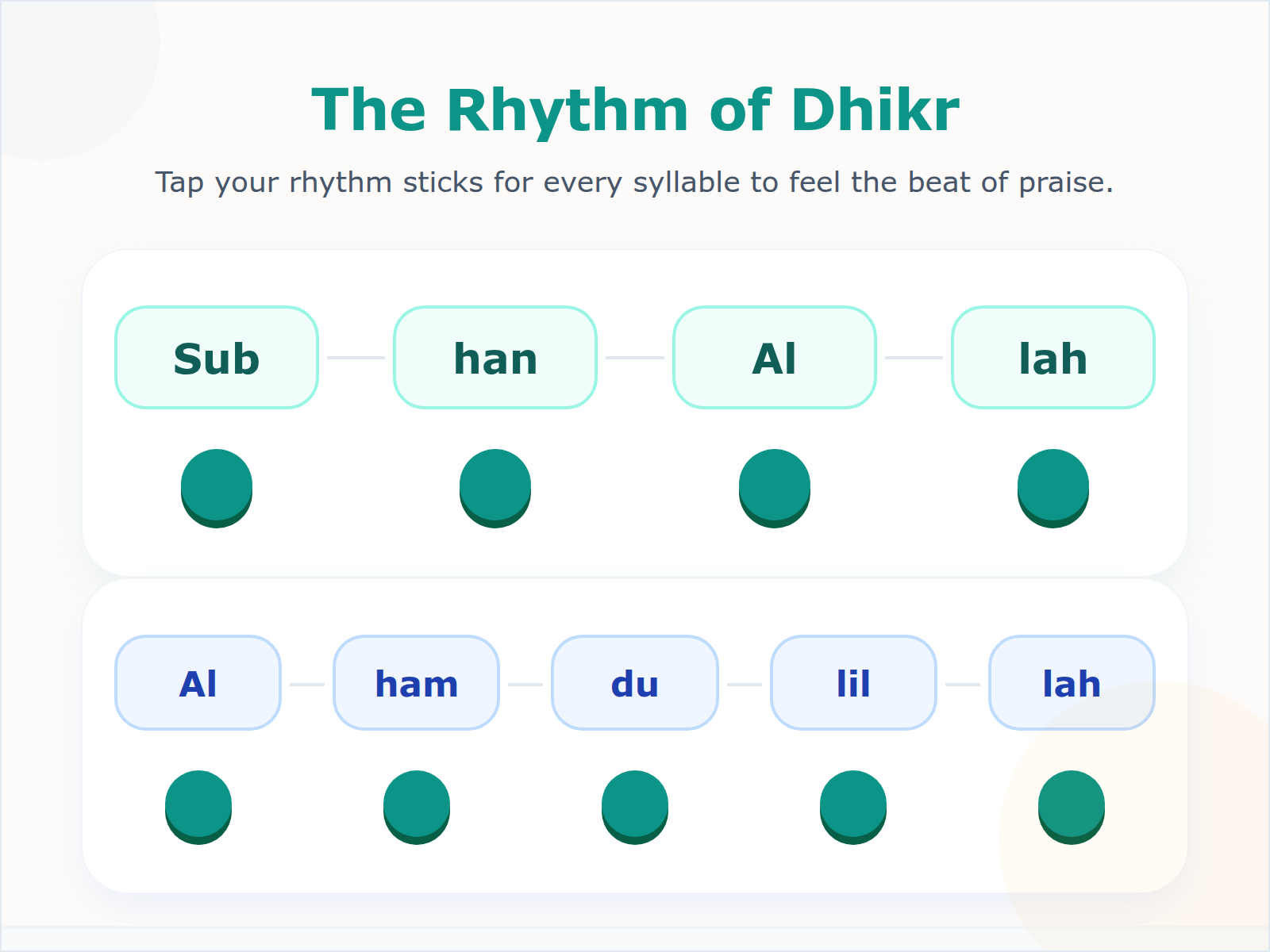
Playgroup Mod: Organize a 'Marching Nasheed' circle where the little members of the Ummah move in rhythm together. Encourage the children to march gently in a circle while tapping their sticks in unison to a favorite track. This "whole-body learning" significantly boosts memory retention and fosters a beautiful, early sense of community.
8. Prophet Story Small World Play
Small world play brings Qisas al-Anbiya (Prophetic Stories) to life by transforming ancient history into a "living diorama." These islamic preschool learning activities turn abstract miracles into tactile experiences, helping toddlers move from passive listeners to active participants. Use Babymode’s AI-guarded animations as your "digital anchor" to provide a serene visual blueprint before starting.
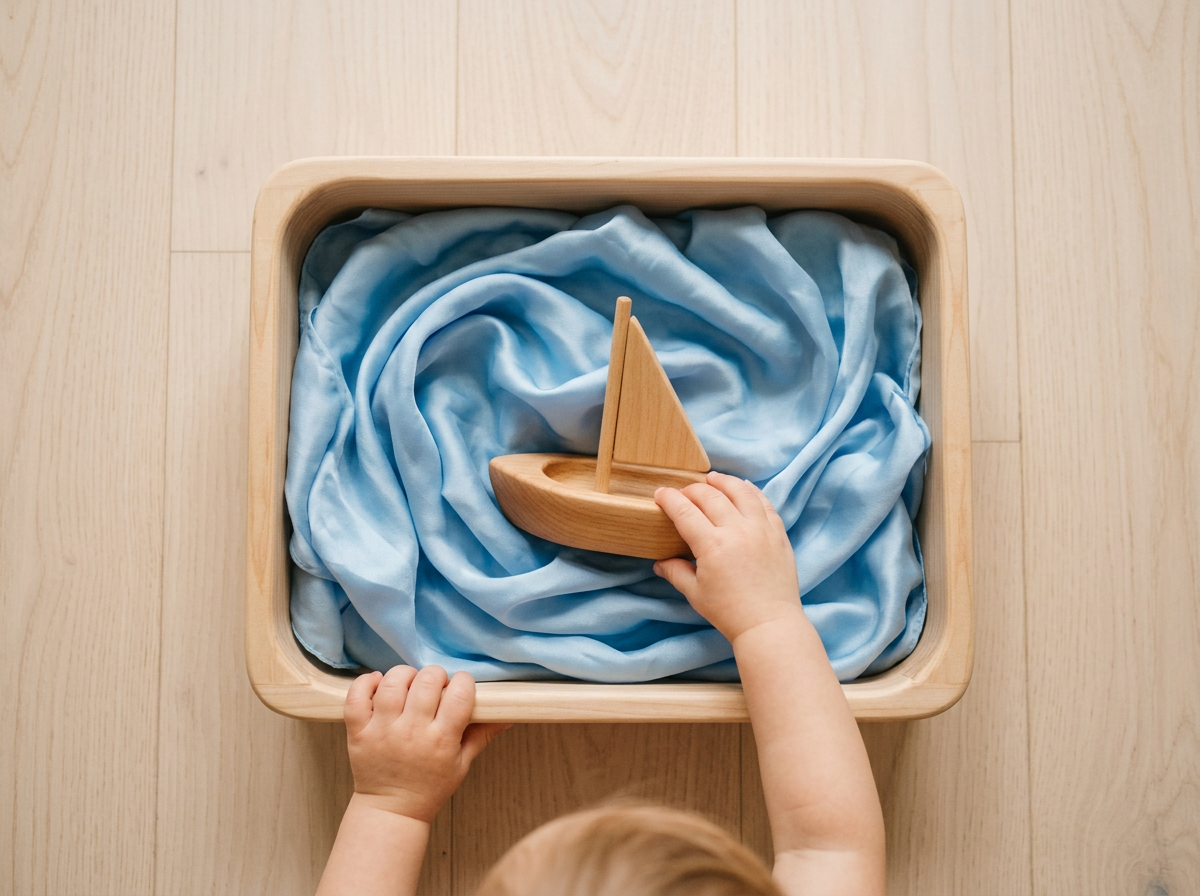
Building Prophetic Connections
Recreate these sacred moments using simple "loose parts" and natural materials to nurture your child's Fitra.
* Prophet Nuh (as): Use a blue silk scarf and a wooden boat to represent Allah’s protection during the flood.
* Prophet Yunus (as): Use a grey cushion or fabric to represent the whale’s belly and the power of Dua.
* Prophet Musa (as): Place blue yarn across a sand tray to help your child visualize the parting of the sea.
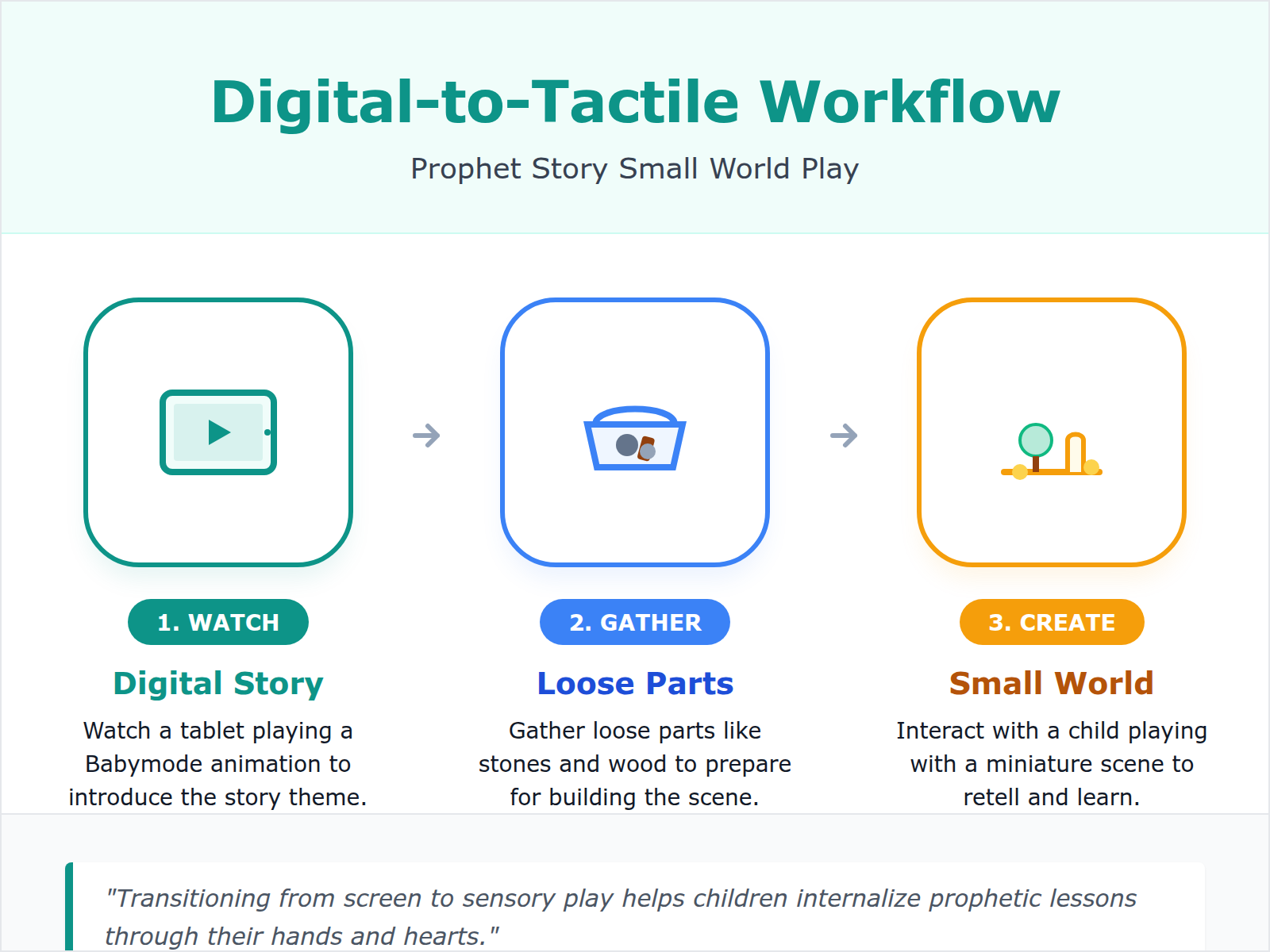
The 'One-Minute' Story Station
Keep a "Prophet Box" ready with scarves, blocks, and toy animals for an instant, low-prep Tarbiyah session. Invite your child to retell the story using these items while practicing one of the 10 essential daily supplications from the Sunnah. By saying *Bismillah before their "journey" begins, you're teaching them to sanctify every moment of their play and their day.
9. Arabic Color-Sorting Station
Toddlers have a natural drive to categorize the world around them. By sorting objects into colors like Ahmar (Red), Azraq (Blue), and Akhdar (Green), we help them celebrate the artistry of Al-Musawwir (The Fashioner). This tactile play creates a serene foundation for broader arabic alphabet learning for toddlers by familiarizing them with the phonetic sounds of the language.
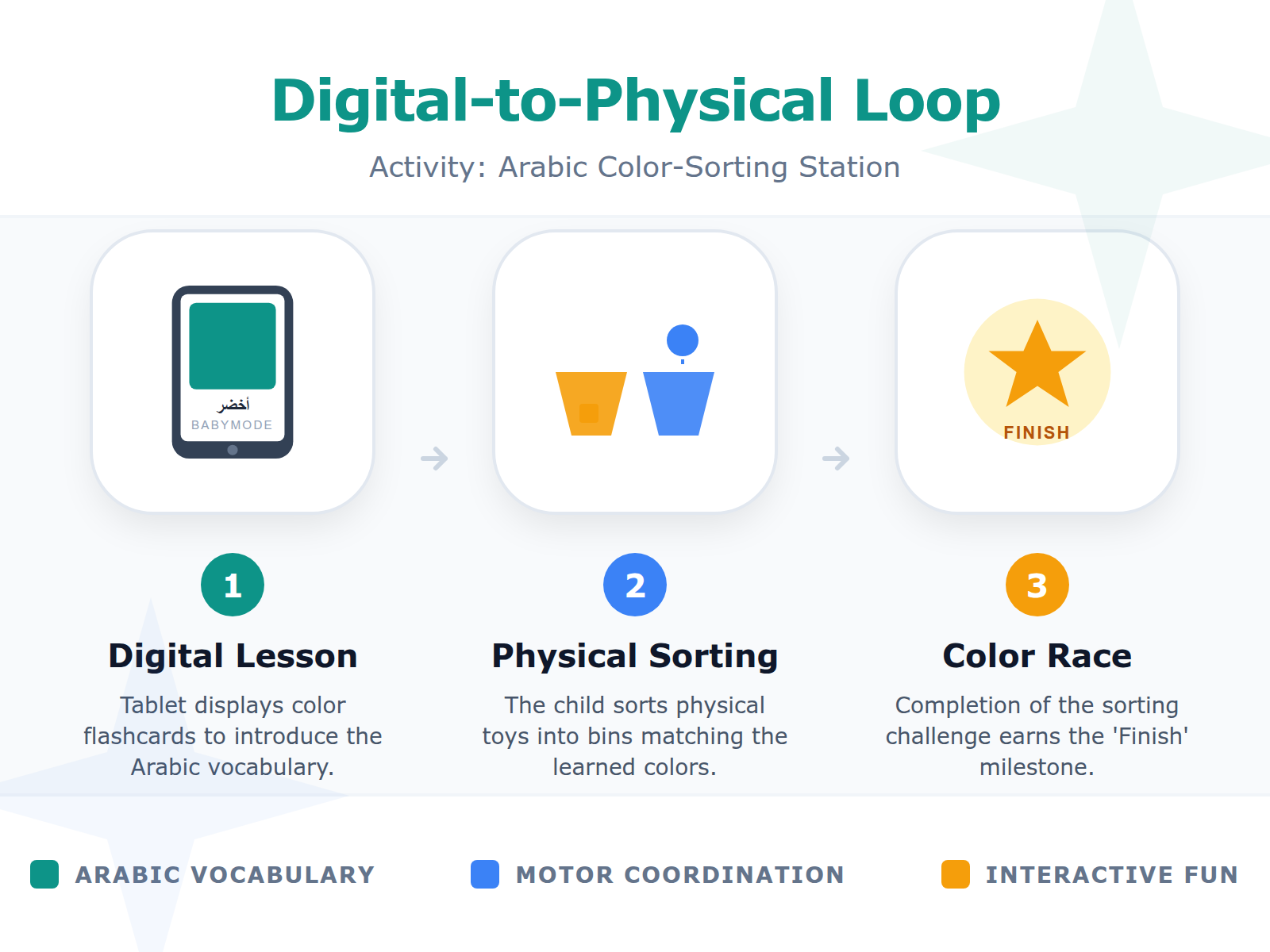
The Digital-to-Physical Loop
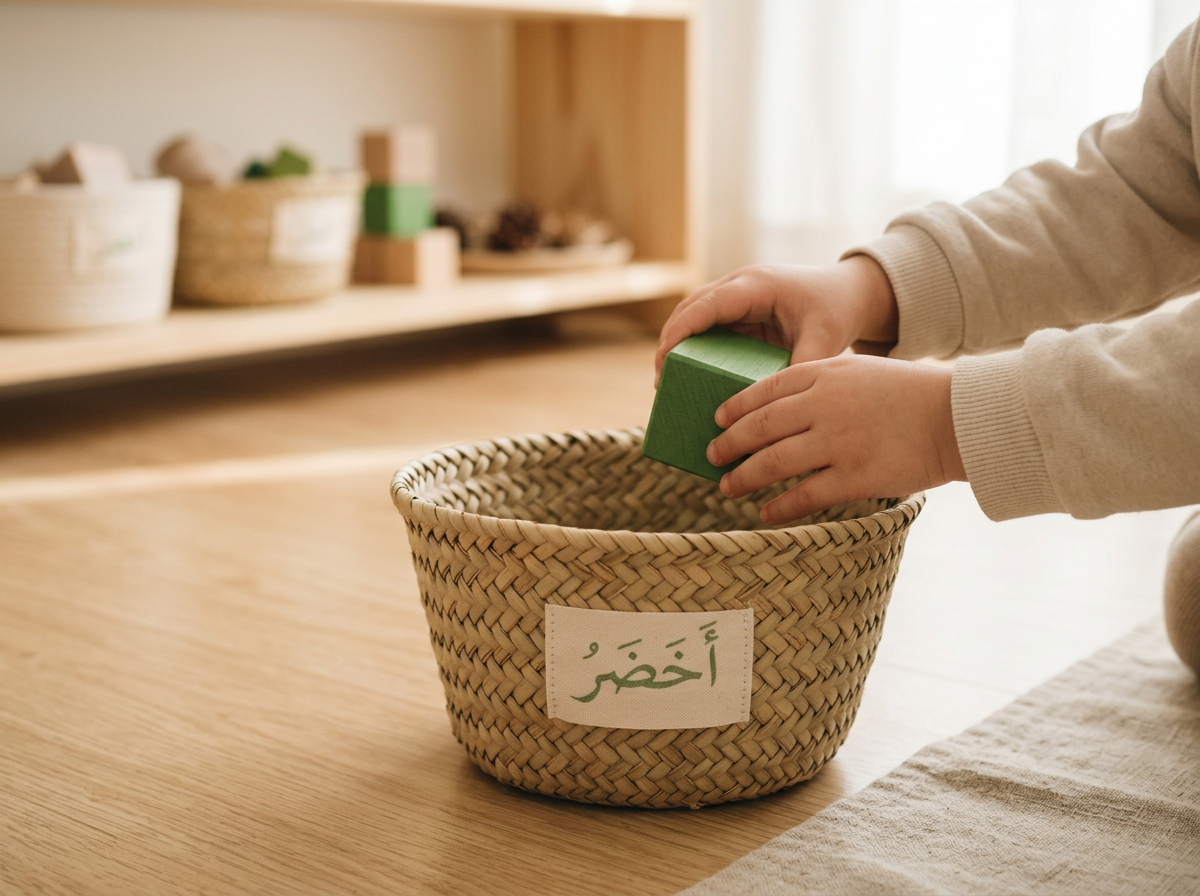
Start with Babymode’s bilingual flashcards as your digital anchor to build the auditory link. Then, set out baskets labeled with Arabic calligraphy and invite your little one to sort toys into their matching "homes." Encourage them to say Alhamdulillah for each vibrant hue, anchoring one of the essential daily supplications into their play and protecting their Fitra through focused engagement.
Engaging the Ummah
Playgroup Mod: Call out an Arabic color name and have the children race to find a matching object in the room. This turns a cognitive task into a joyful game of shared laughter and collective Tarbiyah for the youngest members of the Ummah.
10. The Adab (Manners) Puppet Theater
Puppetry provides a "fail-safe" space for your toddler to practice social scripts without pressure. This is a vital part of digital tarbiyah for kids, where screen-based modeling transitions into real-world character building. Start with Babymode’s "Manners with Friends" series to establish an Adab blueprint before bringing characters to life with simple sock puppets.
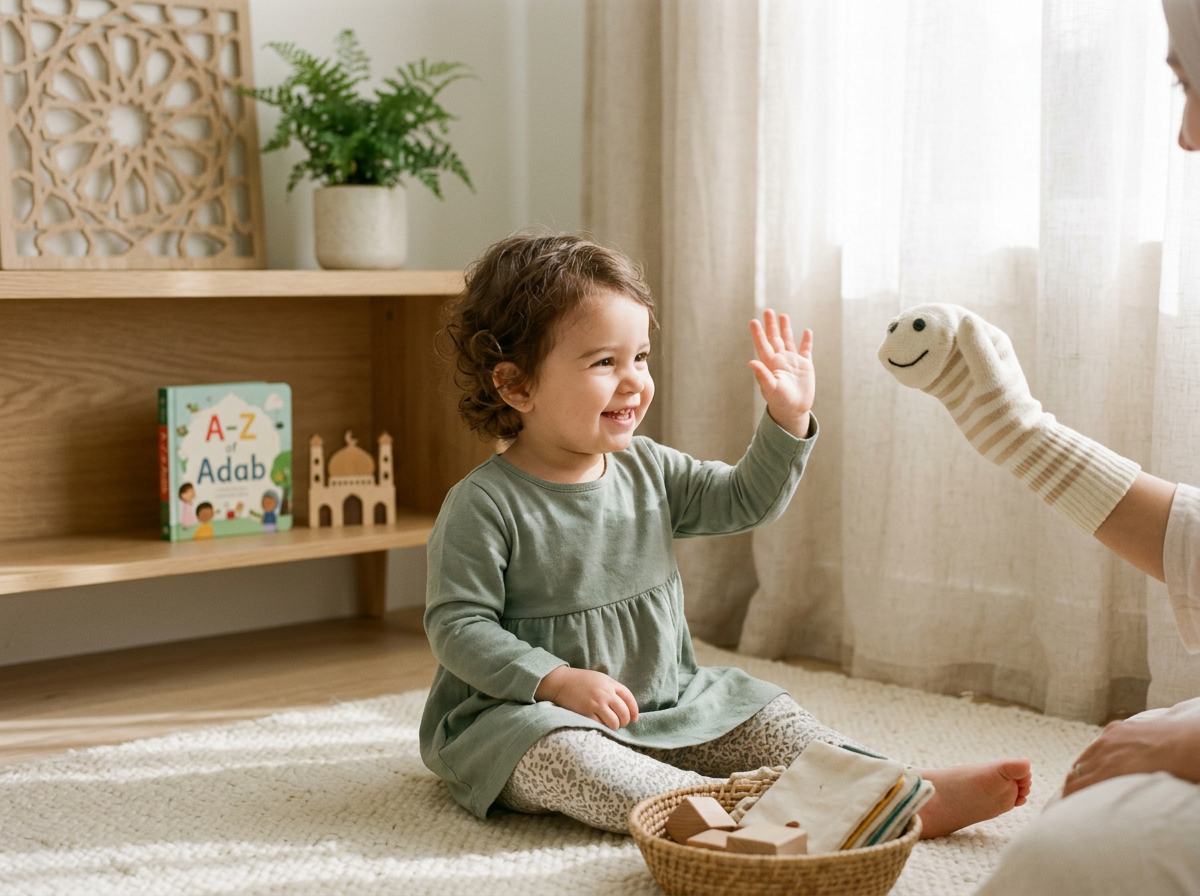
Position the puppet as a "fellow traveler" learning alongside your child. Use the puppet to model gentle mistakes—like forgetting Bismillah—allowing your toddler to "teach" the puppet the correct way. This empowers your little one to practice essential daily supplications like JazakAllah Khair in a joyful exchange that honors their Fitra.
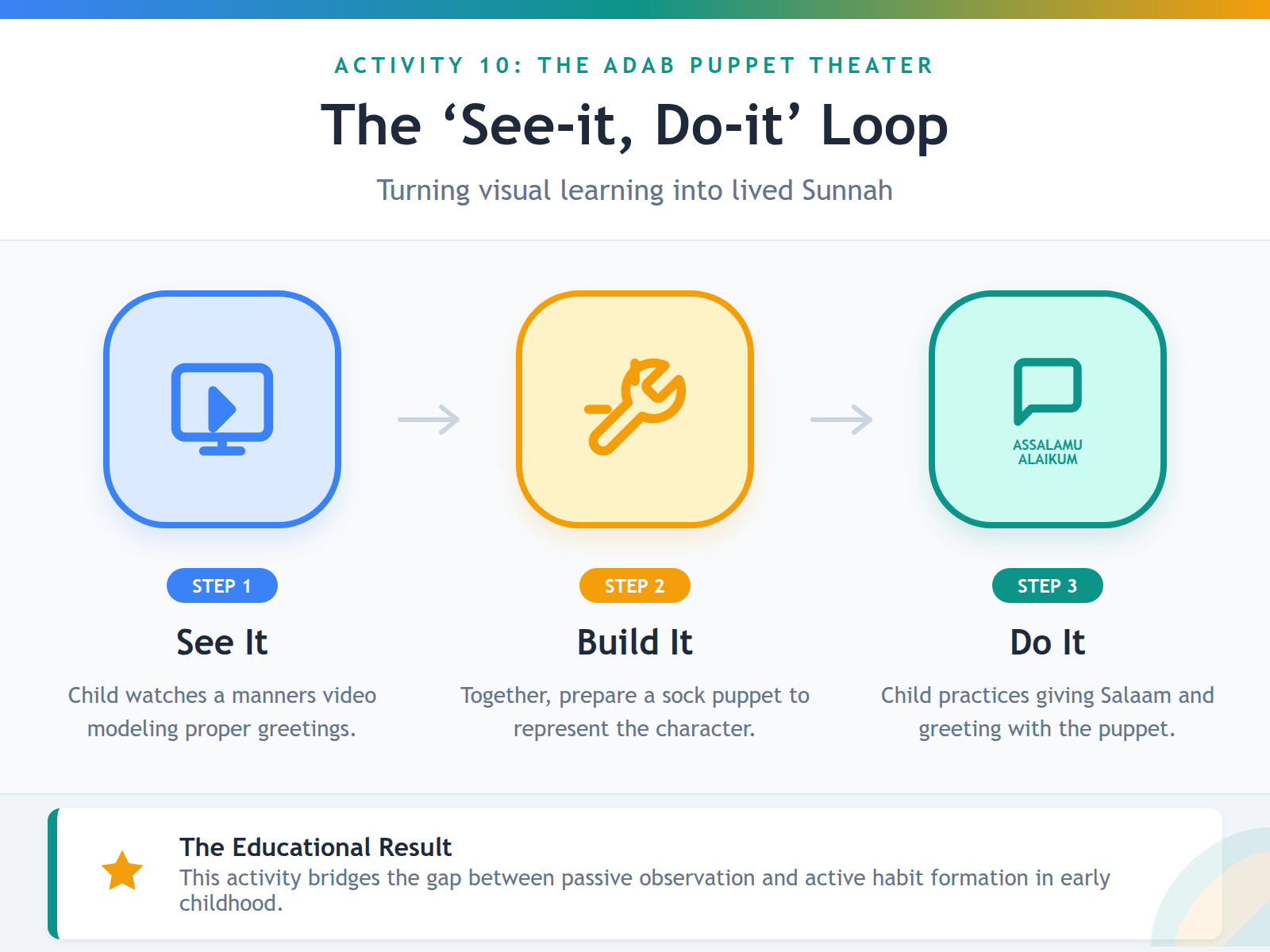
Playgroup Mod: Host a "Salam Circle" where a lead puppet greets each child individually. This encourages a warm "Wa Alaikum Assalam" response, helping the youngest members of the Ummah internalize the rights of others (Haqq) through shared, repetitive play.
Conclusion
Transforming your home into a "Hybrid Sanctuary" doesn't require perfection—just a consistent commitment to your child's fitra. By blending these ten islamic preschool learning activities with safe technology, you create a rhythmic environment where faith feels like play. This balanced approach protects their heart while anchoring their curiosity in the Sunnah.
Ready to start? Choose one digital anchor from Babymode and one tactile activity today. These small, intentional moments will transform your daily routine into a peaceful sanctuary of light!
Next Steps
Explore our Ultimate Guide to Islamic Parenting for Toddlers to build your family’s spiritual roadmap today.
Frequently Asked Questions
How do I limit screen time for a 2-year-old?
Use digital tools as a 15-minute "anchor," then transition immediately to tactile islamic preschool learning activities to keep engagement high and purposeful.
Why are instrument-free nasheeds important for development?
They protect a toddler's Fitra and build a "pre-Tajweed" foundation by focusing on the rhythmic beauty of sacred language without digital overstimulation.
Is Babymode safer than YouTube Kids for toddlers?
Yes! We replace unpredictable algorithms with AI-guarded curation, providing a 100% halal, ad-free sanctuary for the youngest members of our Ummah.
Can I use these activities in a non-Islamic playgroup?
Absolutely! Activities like nature walks and color-sorting focus on universal values and sensory discovery that benefit every child.
How do I introduce Allah to a toddler?
Showcase "Signs of the Creator" through nature play. Use the ten authenticated daily supplications from the Sunnah to anchor their routine in remembrance of Al-Khaliq.