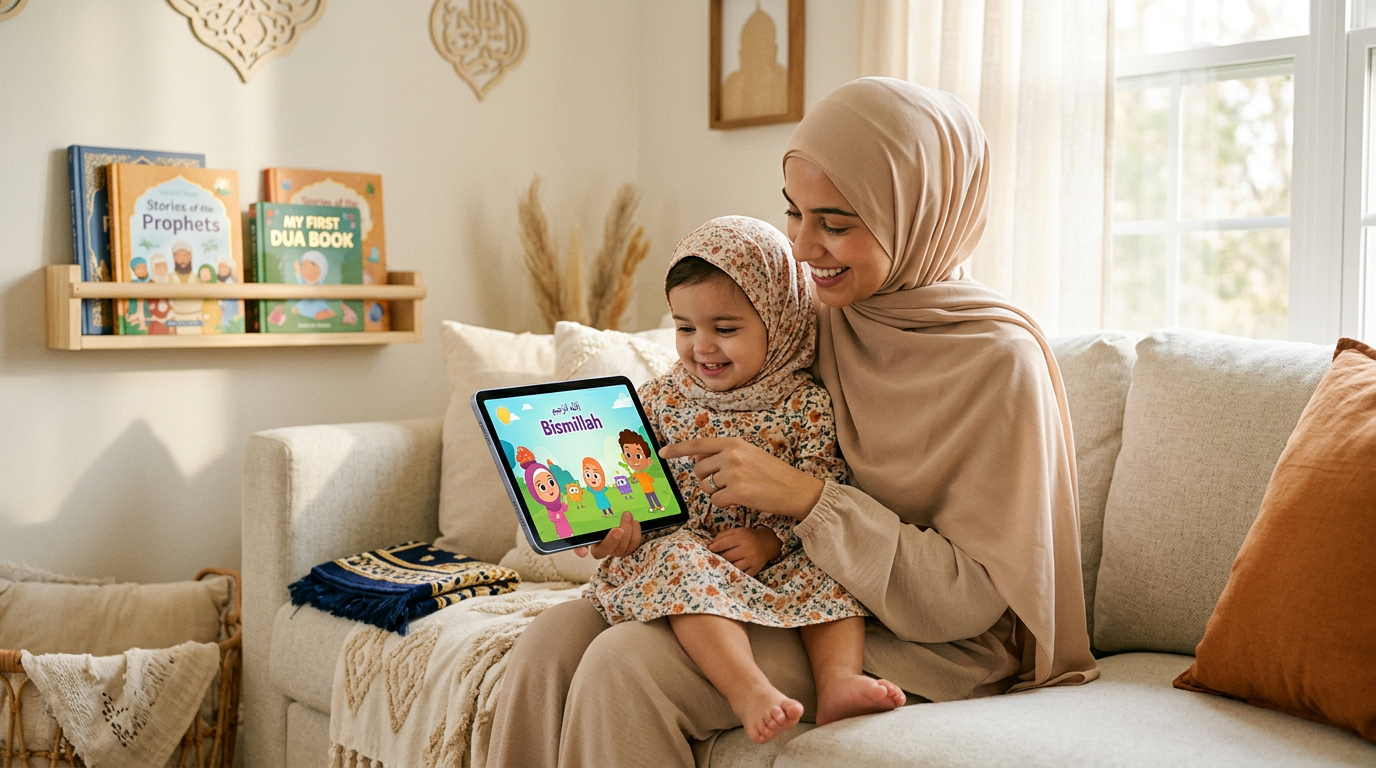
The moment your toddler’s thumb first swipes a screen, they aren't just consuming content—they are being 'read' by an algorithm that has no concept of their soul or their Digital Fitra. As Gen M parents, we often feel a heavy weight of maternal guilt, fearing that every minute of screen time is a surrender to an unpredictable "digital fitnah." We must ask ourselves: are we letting dopamine-driven machines define our children’s early cognitive development, or are we reclaiming the code for the sake of their Akhirah?

We believe that AI, when intentionally governed by what we call Algorithmic Akhlaq, can be a transformative tool for spiritual nurturing rather than a threat to a child’s innate purity. By shifting from reactive gatekeeping to proactive curation, we can design digital environments that reflect our highest Islamic ethics from the very first interaction. This paradigm shift allows us to move beyond fear-based parenting and toward a model of digital stewardship.

This guide explores how to protect the Amanah of your toddler’s early years through a faith-centered approach to technology. We will walk you through a Digital Fitra audit and demonstrate how AI-powered learning can serve the sacred duty of Tarbiyah, turning the screen into a sanctuary of calm, Quranic learning for children aged 0-3. Together, we will discover how to shape a digital destiny that honors the natural disposition of the youngest members of our Ummah.
Understanding the Digital Fitra: Why the First Screen Matters
In our tradition, every child is born upon Fitra—a pristine, innate state of belief and natural inclination toward the Divine. This spiritual baseline is incredibly sensitive, making your toddler’s very first screen experience a foundational environmental input. For the modern Ummah, nurturing this Digital Fitra is the essential first step in aligning cognitive development with their spiritual nature.

The Sanctity of Sensory Inputs
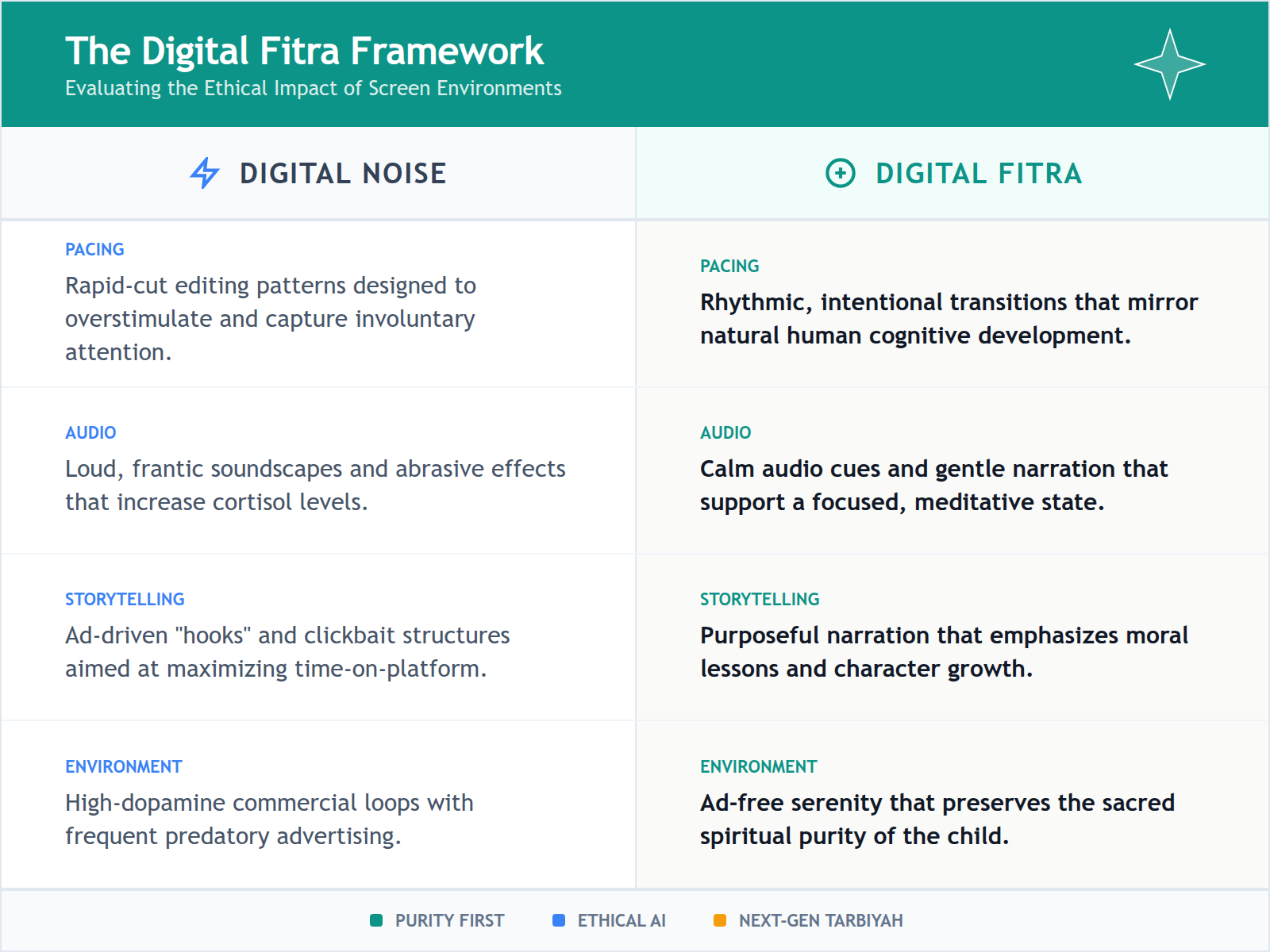
Mainstream platforms often subject toddlers to "digital noise"—rapid-cut editing and aggressive, ad-driven hooks designed to capture attention. These elements are engineered to hijack the dopamine system, cluttering a child's natural disposition and disrupting their Sakina, or spiritual tranquility. Protecting the Digital Fitra requires us to guard this sensory threshold from the overstimulation of the modern attention economy.
AI as a Sanctuary for Tarbiyah
We believe the Digital Fitra is best preserved by shifting our view of AI from an uncontrollable threat to a faith-aligned sanctuary. By choosing curated environments that prioritize rhythmic pacing and Quranic accuracy, you establish the foundations of Algorithmic Akhlaq—or digital character. This proactive approach transforms the screen into a digital Musalla, a clean space where your child's innate nature can flourish.
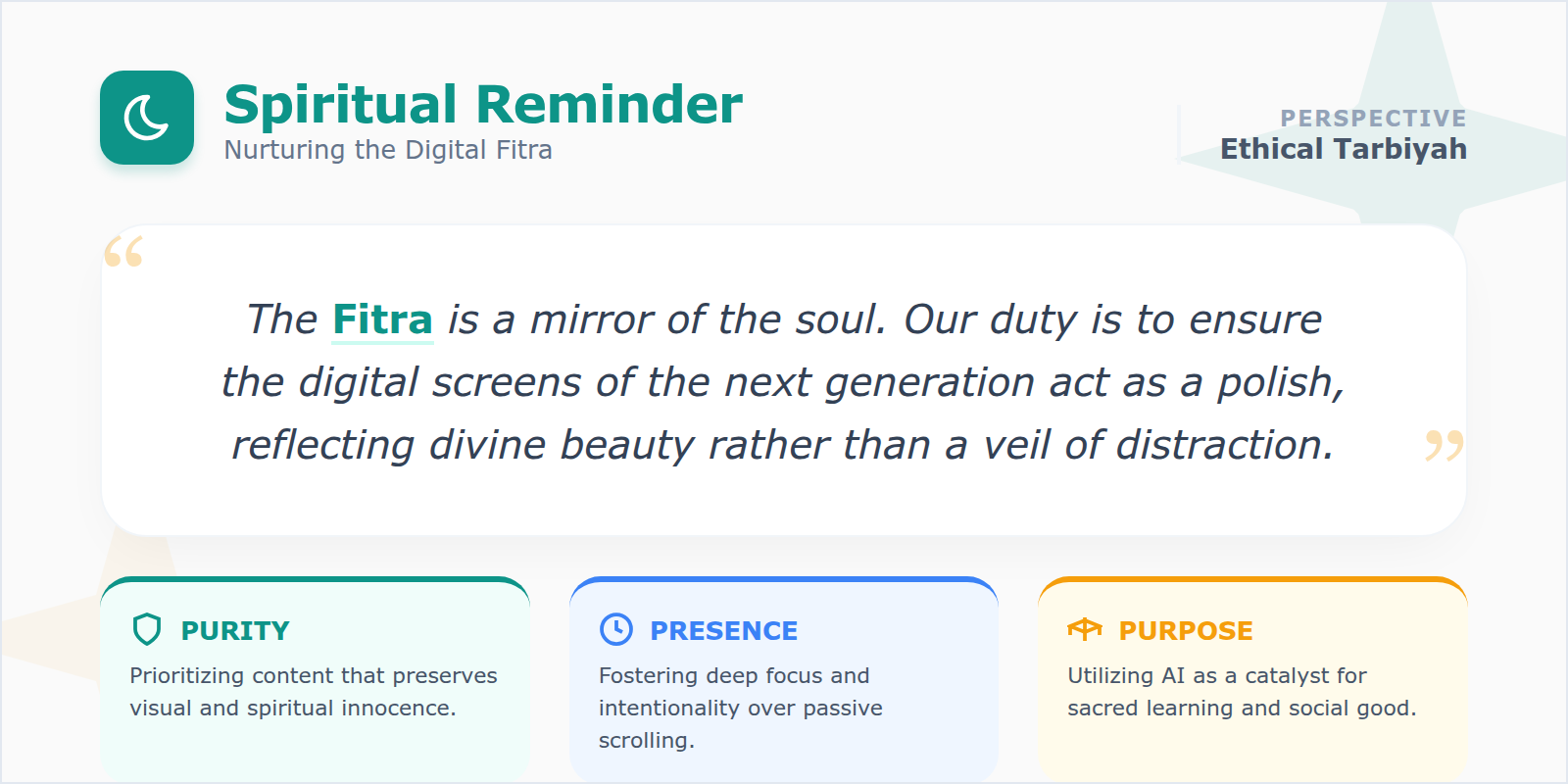
Instead of being "read" by profit-driven code, your child is nurtured by content that honors the Amanah of their early years. By reclaiming the screen, we ensure our children’s digital experiences support their journey toward the Divine. This is the heart of digital Tarbiyah in the modern age.
The Trap of Autoplay: How Mainstream Algorithms Challenge Islamic Values
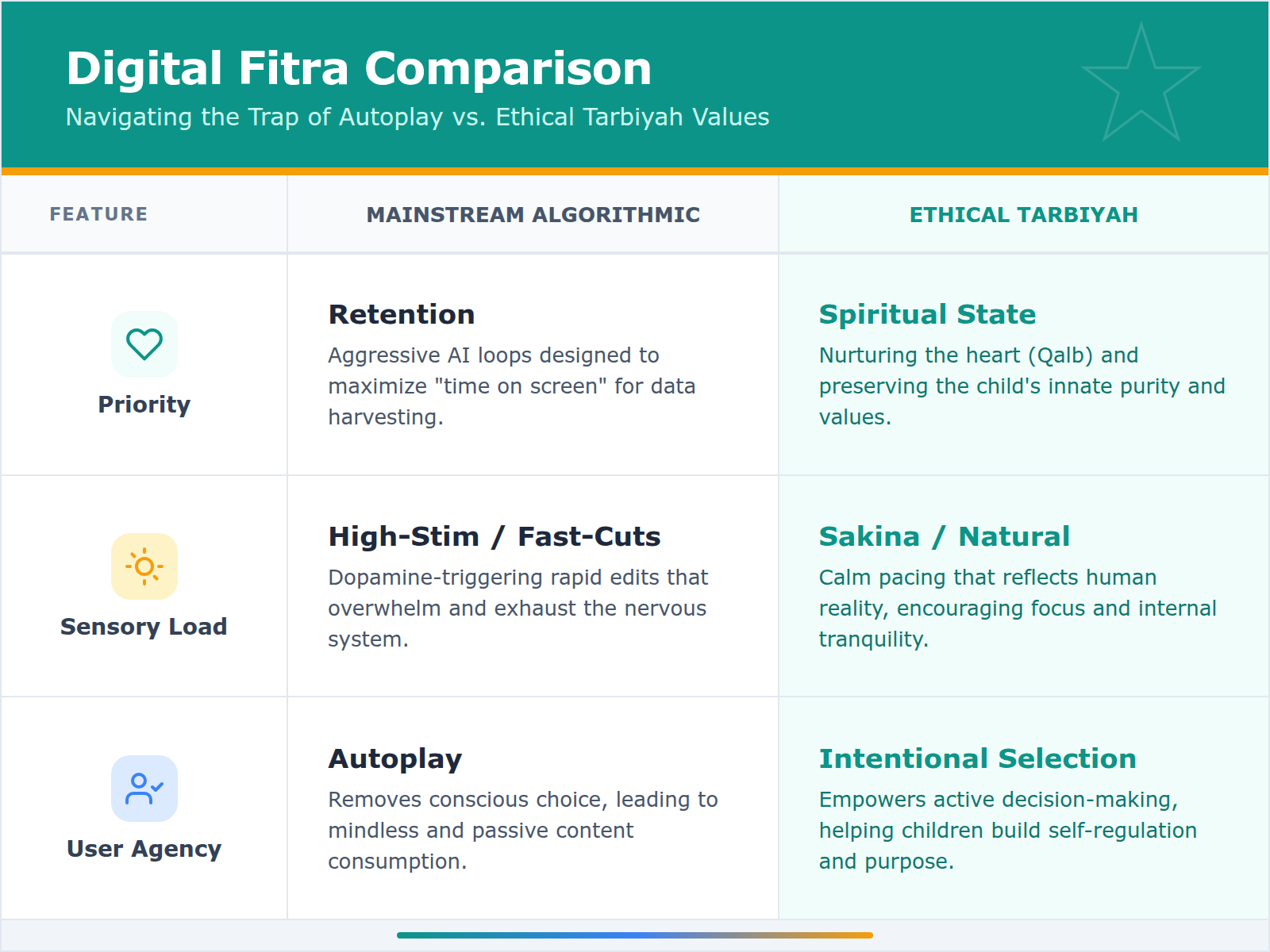
Mainstream platforms often prioritize user retention over your child’s toddler screen time Islamic values. These algorithms are specifically engineered to exploit dopamine pathways, which can disrupt the critical development of executive functions in toddlers. By valuing session duration over spiritual Sakina (tranquility), these "Fitra-blind" systems create a friction that challenges our sacred duty of Tarbiyah.
Restoring Volition and Niyyah
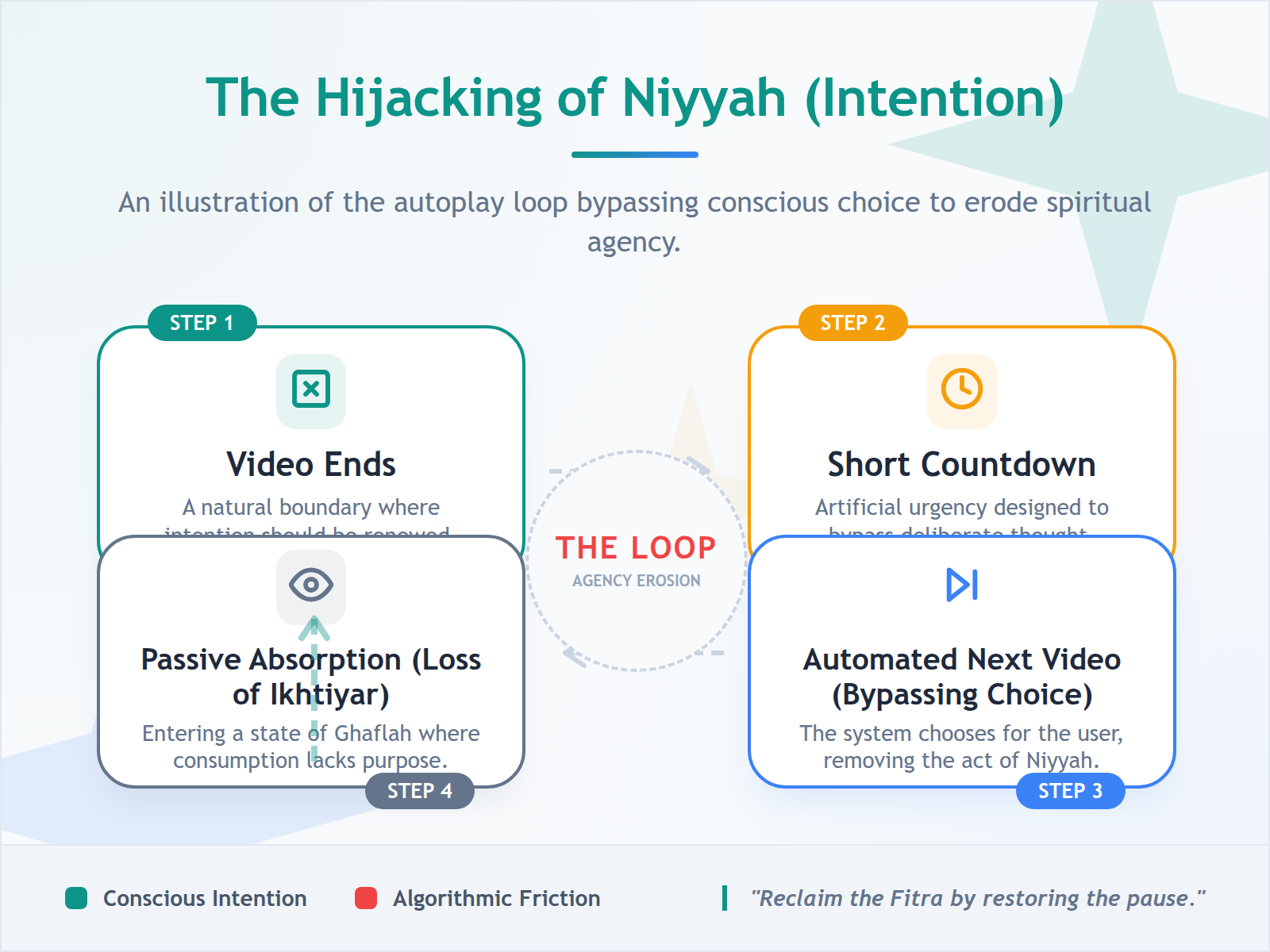
Autoplay functions as a compulsory consumption loop that effectively strips away a child’s Ikhtiyar (volition). By automating the transition between videos, the algorithm replaces active, intentional learning with passive absorption. This prevents your toddler from practicing Niyyah (intention), an essential habit for a mindful life rooted in the Sunnah.
Protecting the Sensory Fitra
Mainstream "kids" content often utilizes "sensory colonization"—the use of hyper-saturated colors and rapid-cut editing to force engagement. Medical research suggests these high-stimulation environments can fragment early attention spans and desensitize the child's nature. We believe in guarding the Fitra against this digital noise to preserve the quietude required for future prayer and focus.
Beyond Unpredictable Secular Content
Mainstream platforms thrive on the unpredictable nature of human-uploaded content, which poses risks to the "guarded" environment toddlers require. Even with basic filters, subtle secular indoctrination or inappropriate themes can bypass automated systems without expert, scholar-led review. True digital Tarbiyah involves shifting toward curated, AI-guarded spaces—utilizing content-aware filtering—that respect the sanctity of your toddler’s early development.
Spiritual Reminder: Our children are an Amanah (trust) from Allah. Protecting their eyes and ears in the digital realm is a beautiful extension of our role as their first teachers.
Introducing Algorithmic Akhlaq: Designing Ethics into the Code
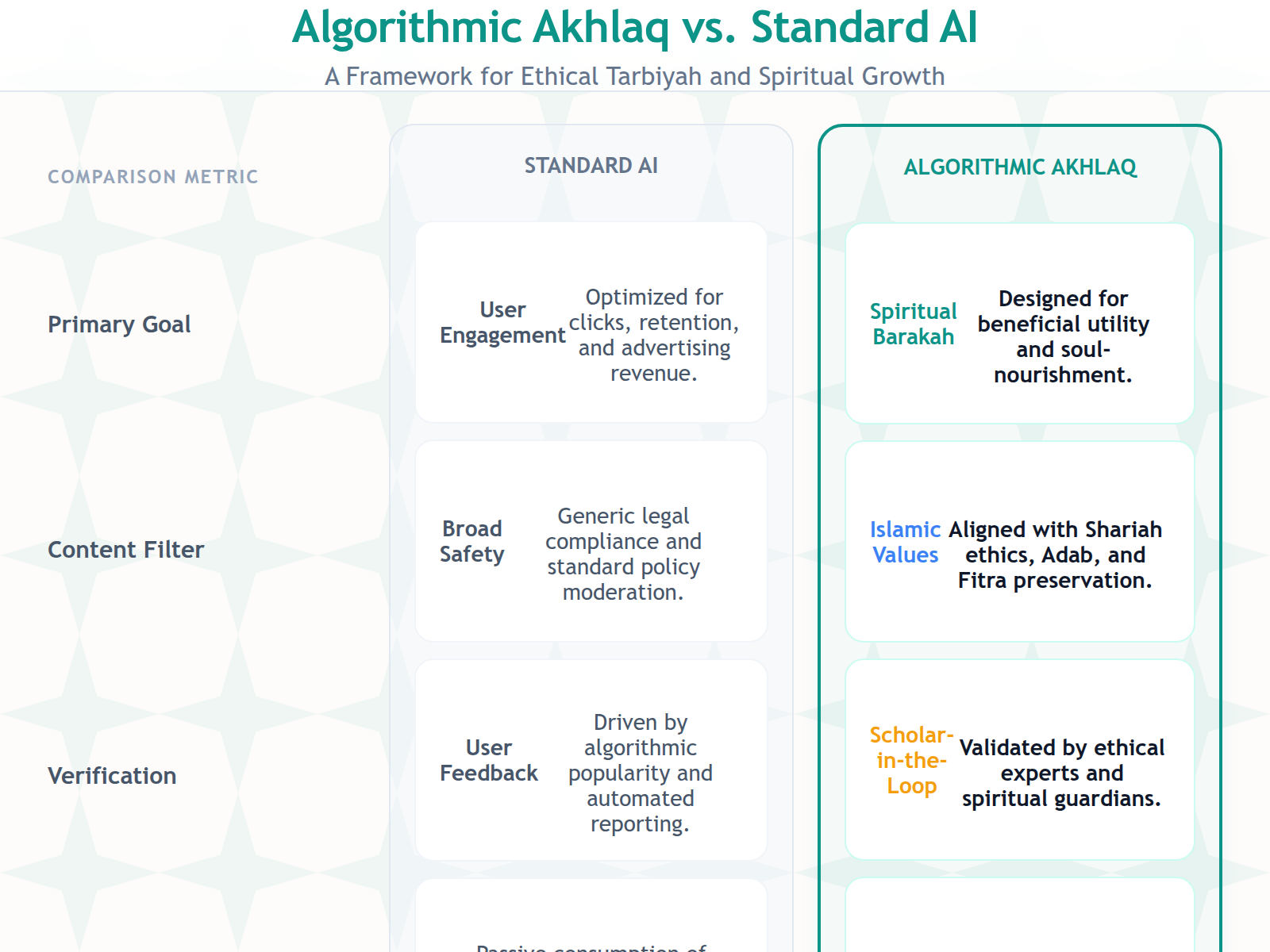
Algorithmic Akhlaq is our pioneering shift from reactive filtering to the intentional design of ethical AI for kids. By calibrating technology to mirror Islamic Adab (etiquette), we ensure the algorithm serves your child’s soul rather than just tracking engagement metrics. This approach draws inspiration from established frameworks like the IEEE Ethically Aligned Design, which advocates for prioritizing human well-being in autonomous systems.
Calibrating the Machine for the Sacred
Instead of using "unfiltered" AI that pulls from the internet's noise, we utilize "guarded" environments trained on faith-aligned datasets. We’ve replaced dopamine-driven hooks with calming, rhythmic inputs that respect your toddler’s Fitra and natural development. This transforms the screen into a digital Muallim (teacher), fostering a sanctuary of Barakah (blessing) within your modern home.
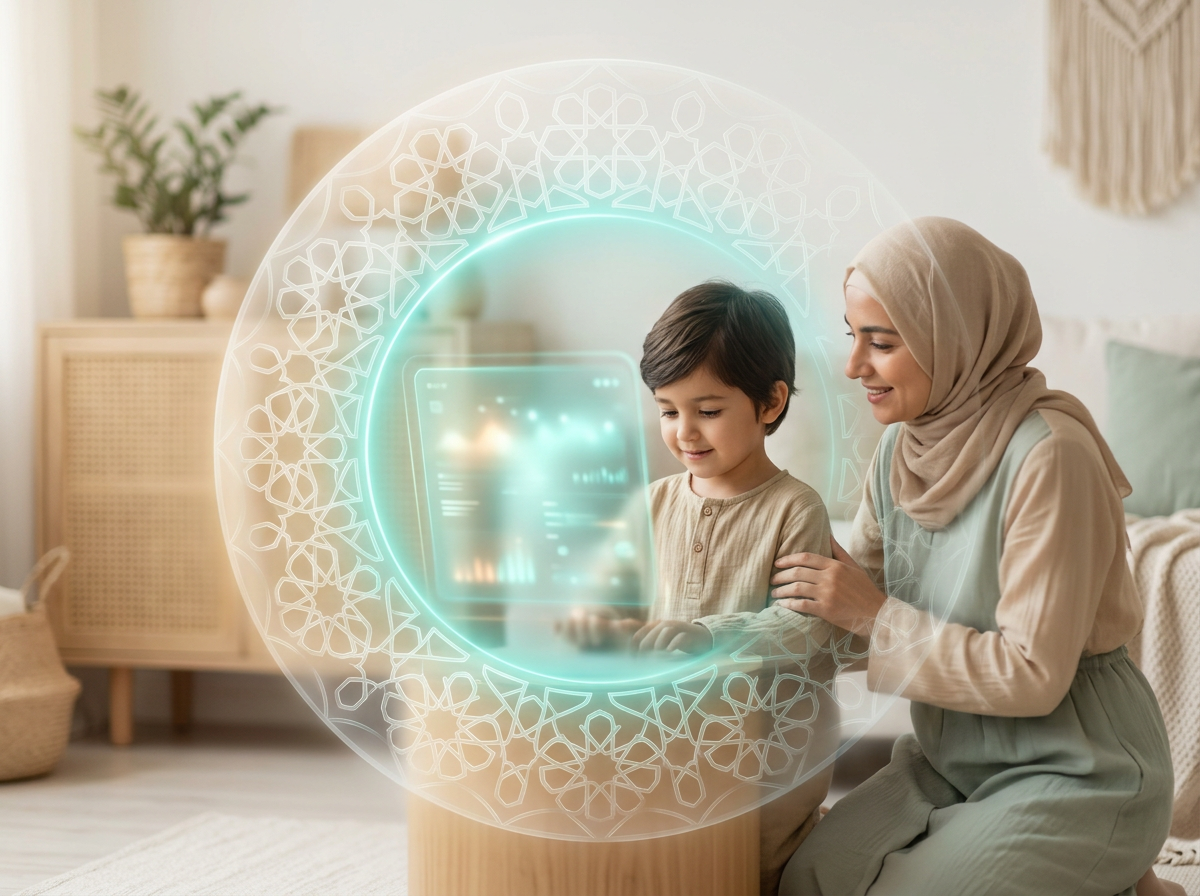
By embedding these values into the code, we’ve observed that children experience fewer "screen-time meltdowns" and more moments of quiet Sakina. This proactive stewardship allows you to rest easy, knowing the technology is actively safeguarding your child’s spiritual journey.
Scholarly Oversight and Digital Accuracy
To ensure absolute accuracy, we implement a "Scholar-in-the-Loop" model, a practice aligned with the UNICEF Policy Guidance on AI for Children. Our team verifies AI-generated scripts for Quranic stories against authentic Isnad (chains of transmission) to prevent any digital misinformation. This human oversight ensures that even the most advanced tools remain rooted in our sacred traditions.
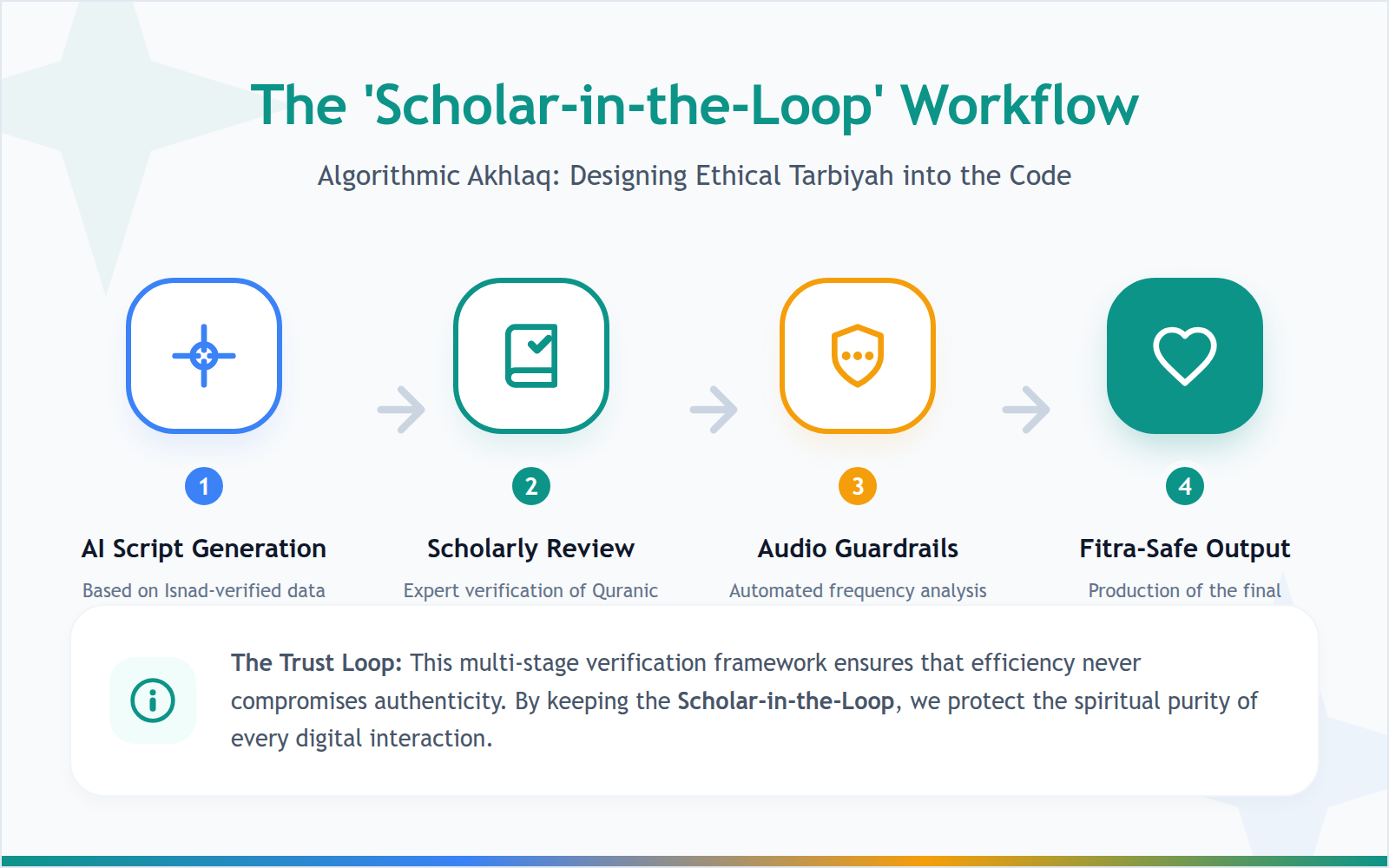
Furthermore, we use content-aware filtering to identify and exclude Ma'azif (musical instruments) in our Nasheeds. This allows you to maintain the auditory sanctity of your home while providing your little ones with engaging, rhythmic learning tools. It is a multi-layered approach designed to nurture the youngest members of our Ummah with total peace of mind.
The 3 Pillars of Ethical Tarbiyah in the Digital Age
Navigating Islamic Tarbiyah in the digital age requires a shift from defensive filtering to building a proactive "Halal Digital Architecture." We view this framework as a protective sanctuary for your child’s Digital Fitra, ensuring technology serves as a bridge to spiritual elevation. This architecture rests upon three non-negotiable pillars that guard the soul while embracing modern tools.
1. Conscious Curation: Reclaiming the Gatekeeper Role
The first pillar is Conscious Curation, where we replace profit-driven algorithms with faith-based intentionality. Research from the American Academy of Pediatrics indicates that excessive commercial exposure can negatively influence a child's value system and impulse control. By choosing ad-free, halal-aligned platforms, you ensure your toddler’s early cognitive maps are not etched with materialistic or secular distractions.
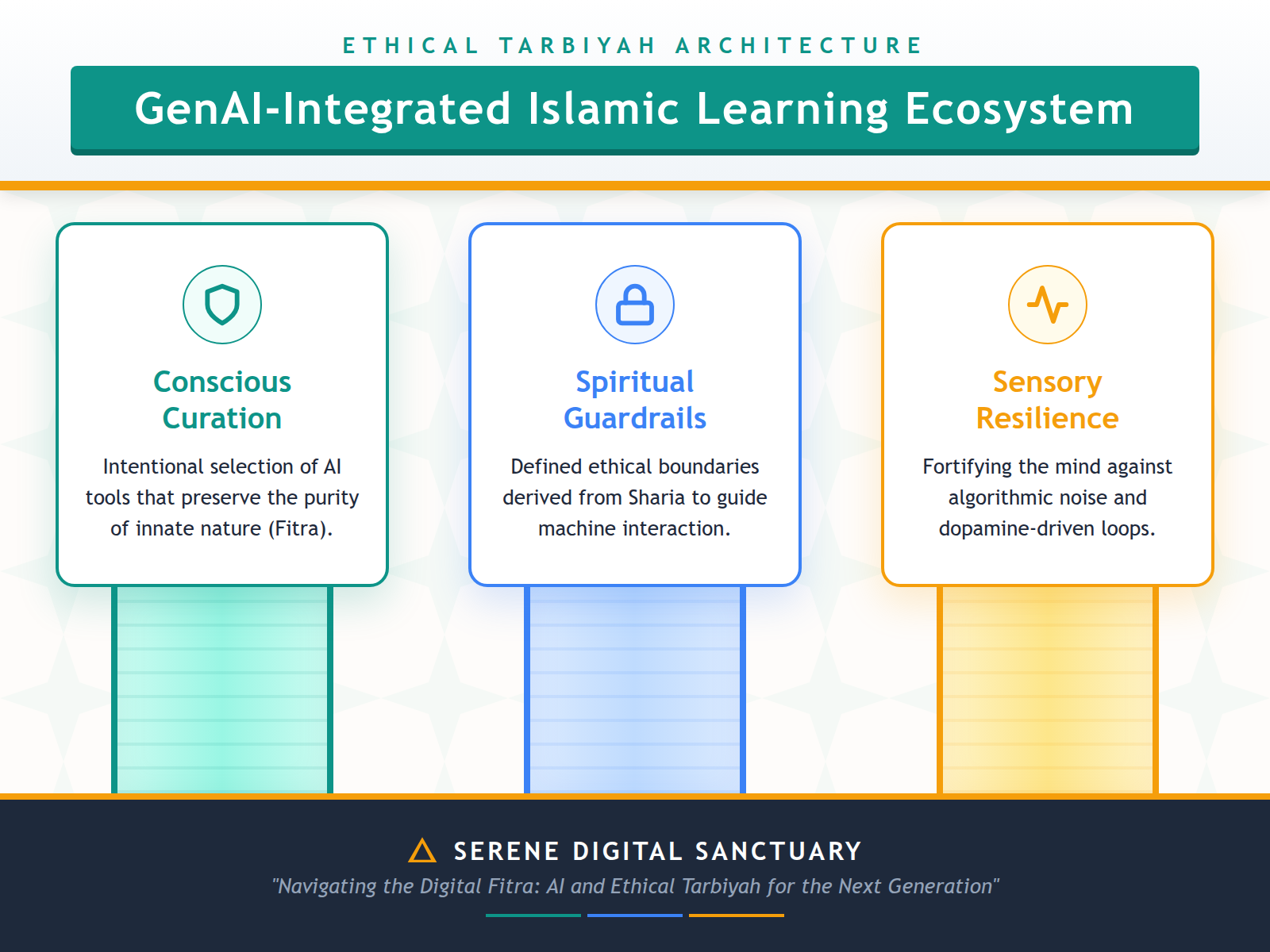
2. Spiritual Guardrails: Honoring the Amanah
The second pillar frames digital interaction as an Amanah (sacred trust). We encourage simple rituals, like starting screen time with a Bismillah, to mirror the boundaries of our daily Salah. This teaches your toddler that digital spaces have a sacred beginning and an intentional conclusion, preventing the "gadget isolation" that can fracture the modern home.
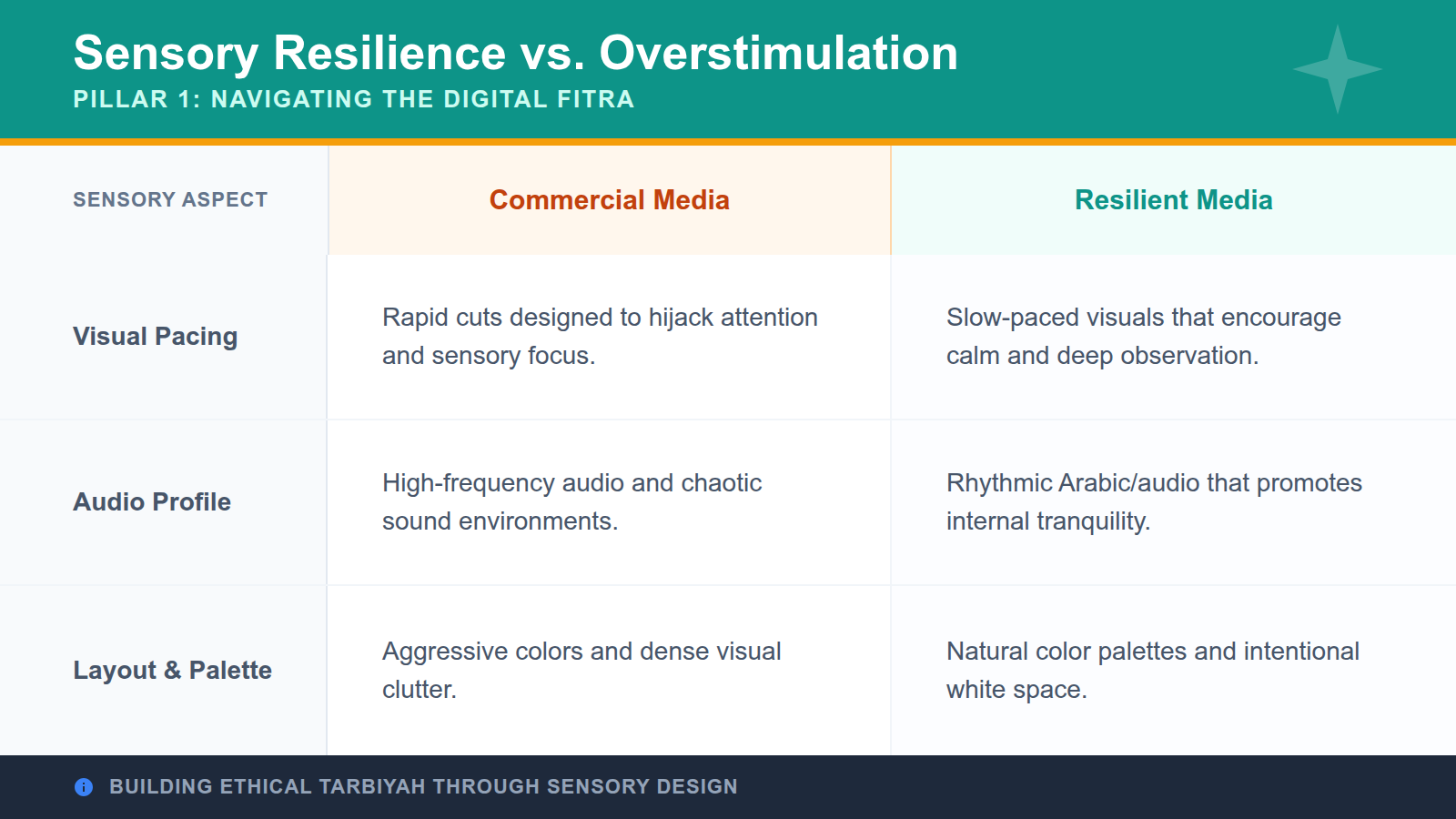
3. Sensory Resilience: The Path to Sakina
Sensory Resilience protects your child’s neurological capacity for Khushu (devotion). A study in Pediatrics (Lillard & Peterson, 2011) found that just nine minutes of fast-paced media can immediately impair a preschooler's executive function. By prioritizing rhythmic, slow-paced content, we preserve the Sakina (tranquility) necessary for them to eventually find peace in prayer and Allah’s creation.
These pillars support a GenAI-integrated ecosystem where curated AI serves as a digital Muallim (teacher). This transformative approach ensures technology remains a tool for spiritual nurturing, turning screen time into a consistent source of Barakah for your household.
The Digital Fitra Audit: A Practical Checklist for Gen M Parents
Transforming your household’s digital environment is more than a technical task; it's a form of Digital Taharah—a purification of your family's virtual space. This audit empowers you to move beyond reactive fear, establishing a home sanctuary where technology serves the soul rather than taxing it.
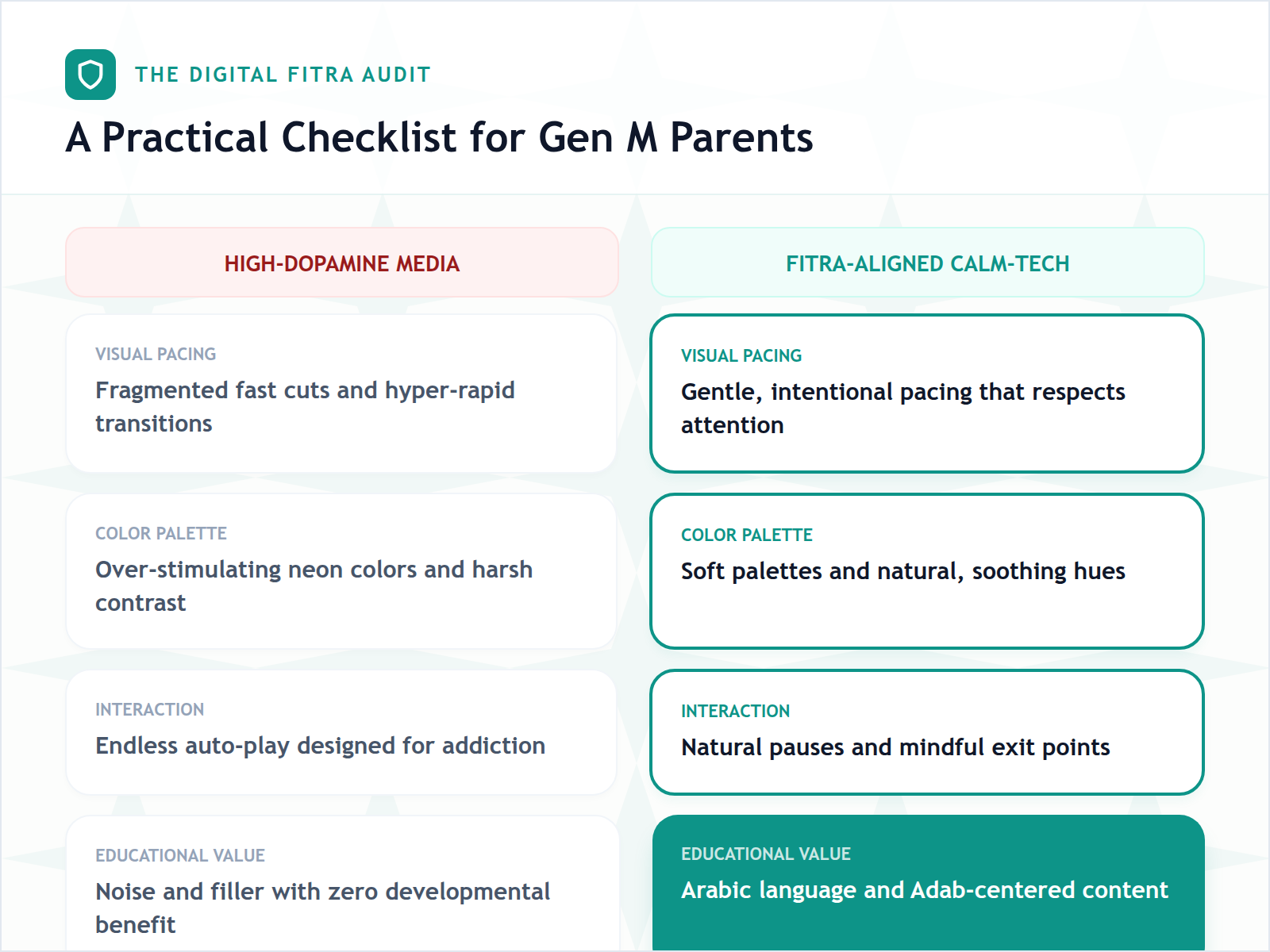
Screening for Sensory Sakina
- Pacing Check: Does the content use rapid-cuts or hyper-saturated colors to force engagement?
- Focus Preservation: Mainstream dopamine hooks fragment a toddler’s attention and disrupt their natural state of Sakina. We recommend choosing "calm-tech" that mimics the slow, rhythmic pace of natural storytelling to protect their Digital Fitra.
Auditing Privacy as an Amanah
- Data Integrity: Does the platform treat your child as a soul to be nurtured or a data point for profit?
- Expert Alignment: In our tradition, protecting the vulnerable is a sacred Amanah. For research-based frameworks, resources like the Digital Wellness Lab provide excellent guidance for modern families.
Essential Verification for Home Tarbiyah
- Intentional Transitions: Ensure the app includes natural stop-points or transition rituals to prevent screen-time meltdowns.
- Data Sanctity: Verify the environment is ad-free and private, honoring the spiritual trust of the Ummah.
- Value Alignment: Confirm that imagery and vocabulary reflect the Sunnah and provide positive Tarbiyah.
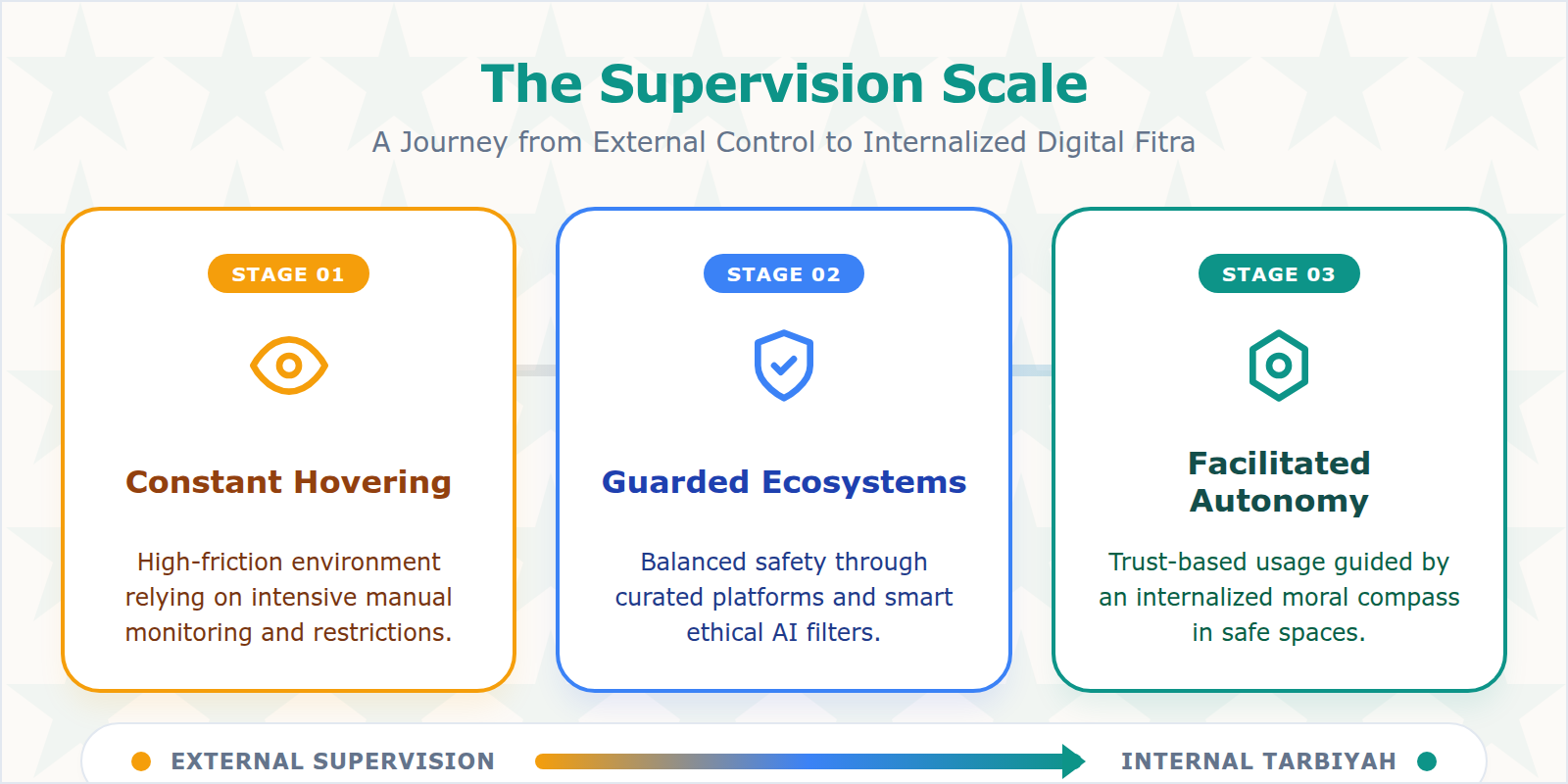
Calibrating the Supervision Scale
- Guided Autonomy: Move from high-anxiety "hovering" toward a guarded ecosystem that allows for peaceful, independent play.
- Peace of Mind: Utilizing platforms with built-in Islamic guardrails allows you to transition to a trust-based partnership with technology. This ensures your home remains a sanctuary of Barakah, even during those busy moments when you can't be right by their side.
Parenting Tip: Set a "Digital Niyyah" with your toddler before opening an app. A simple, shared "Bismillah" transforms a tech moment into an act of mindfulness and spiritual intentionality.
Reclaiming the Screen: How AI Can Nurture Sacred Learning
By shifting our focus from passive consumption to intentional creation, we can transform the screen into a digital Musallah—a dedicated space for growth and remembrance. When we harness AI-powered Islamic learning, we are not merely "using an app"; we are constructing a controlled ecosystem where every pixel is calibrated to support a child’s Fitra.

The Architecture of Pure Content
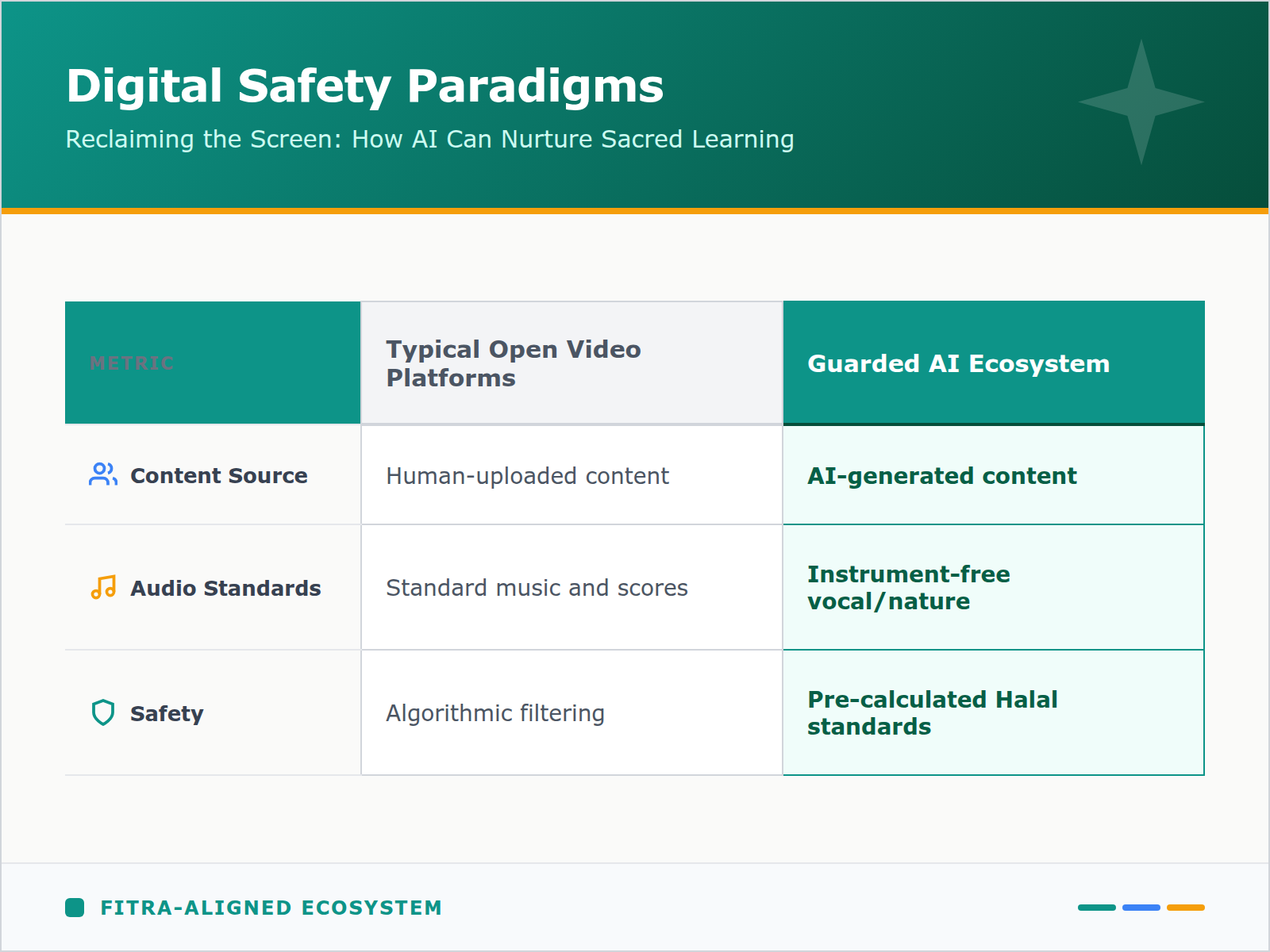
The greatest vulnerability of mainstream video platforms is the unpredictability of human-uploaded content. Even with filters, inappropriate themes can "leak" through through sophisticated engagement hacks that bypass standard moderation. A guarded AI ecosystem solves this by eliminating human uploads entirely, ensuring that every story—from the journeys of the Prophets to the wonders of creation—is generated within a closed, scholar-verified loop.
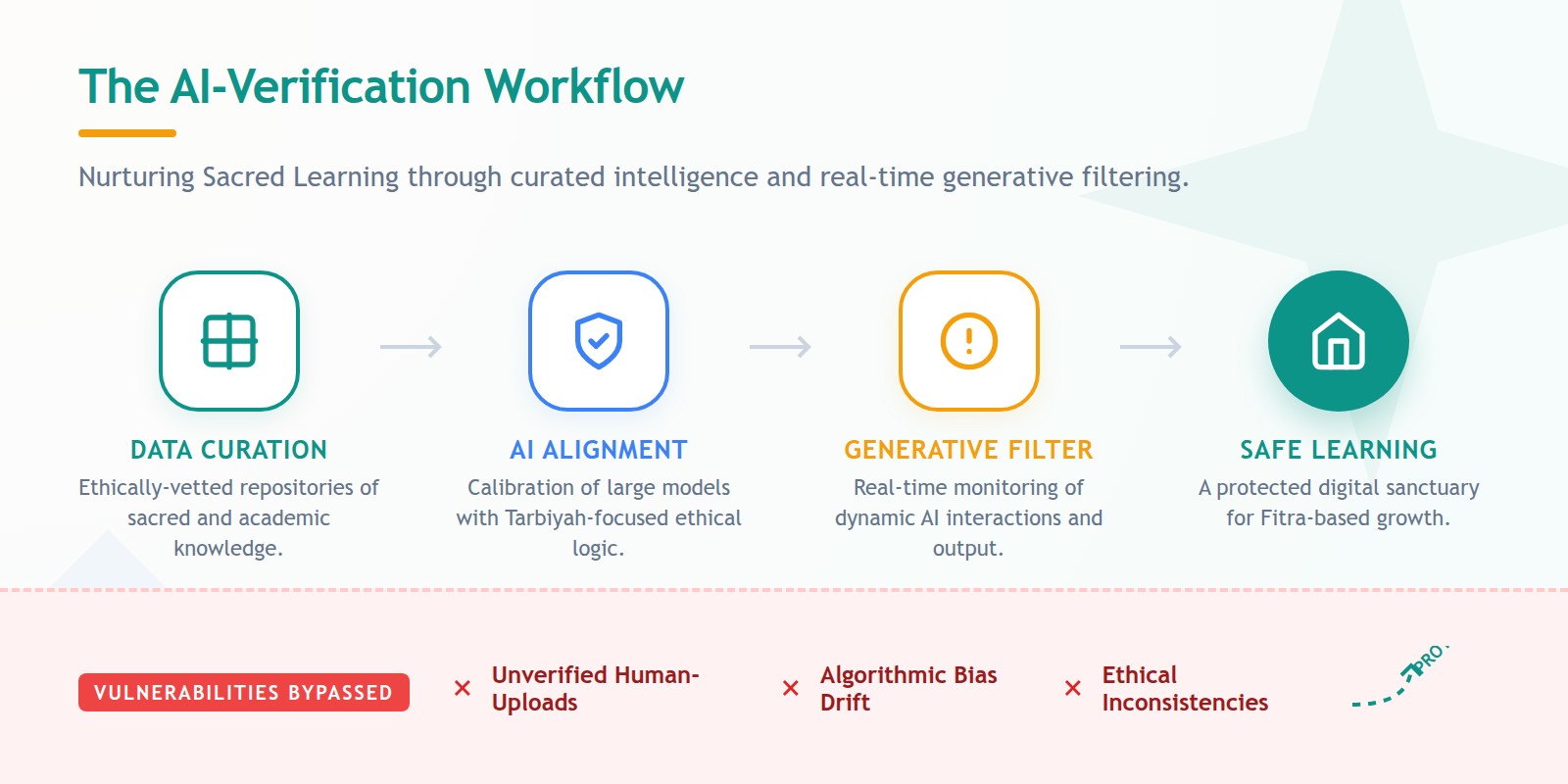
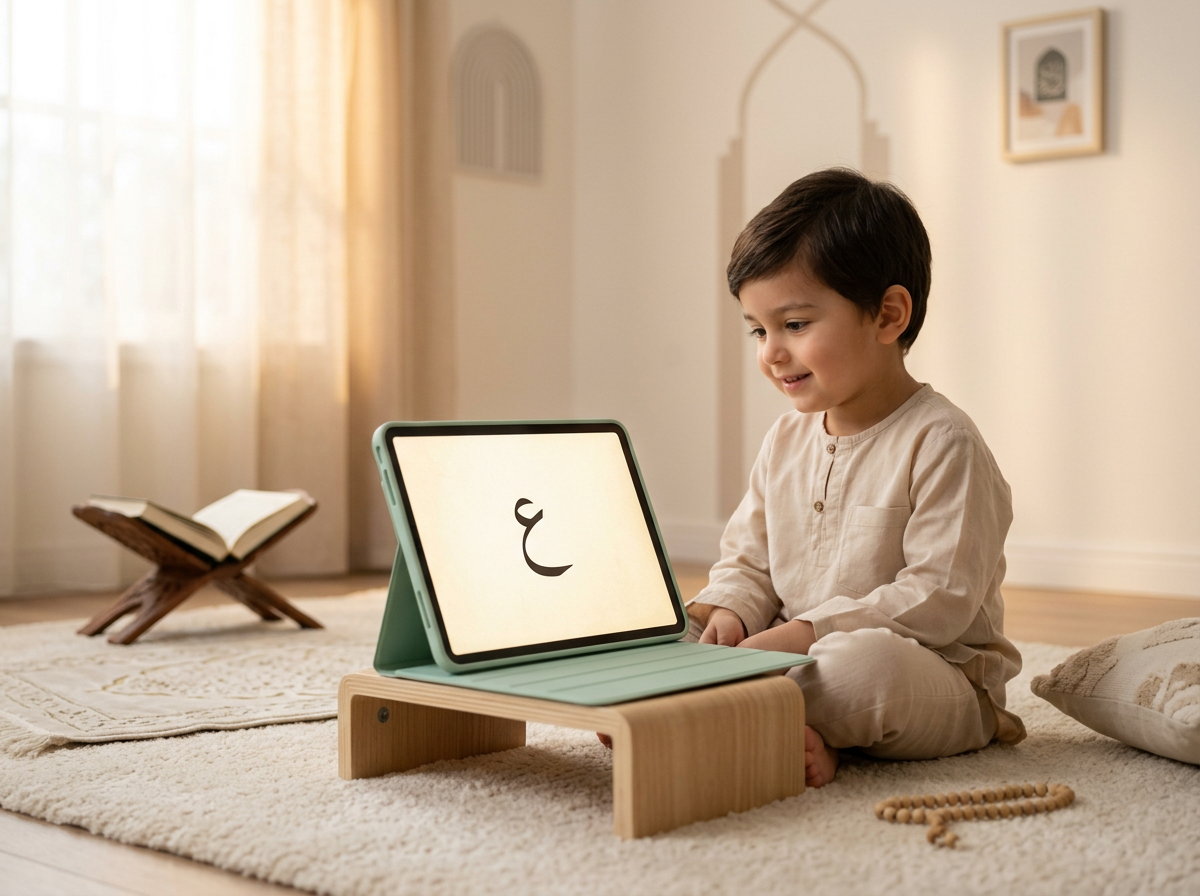
By leveraging AI-powered Islamic learning, parents can finally provide a space where stories are 100% Halal-aligned. This technology allows for the creation of instrument-free rhythmic Nasheeds and slow-paced Arabic alphabet lessons that respect the neurological and spiritual boundaries of a toddler.
A Sanctuary for Modern Tarbiyah
Babymode serves as a bridge where modern technology meets traditional Islamic values, providing features that mainstream platforms fundamentally lack. Our platform is strictly ad-free, ensuring that your child’s first cognitive maps are not etched with materialistic or secular marketing hooks. We prioritize a state of Sakina (tranquility) by using calm, artistic aesthetics rather than the high-dopamine triggers found in commercial media.
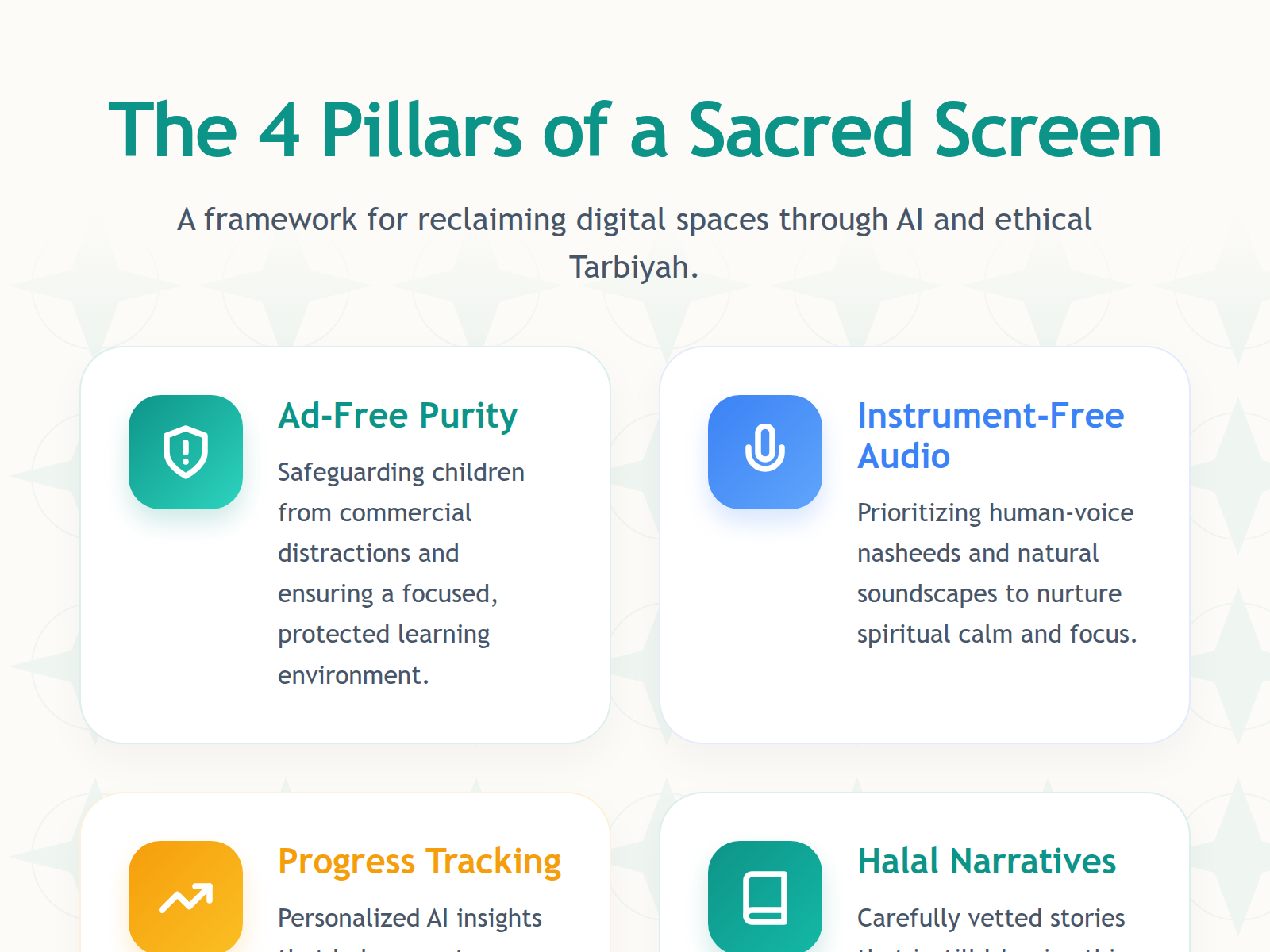
Beyond safety, this ecosystem provides parents with tools for proactive Tarbiyah. With features like progress tracking, you can see exactly which Quranic concepts or Arabic vocabulary your child is gravitating toward. This allows screen time to become a data-informed partner in your child's spiritual development, rather than a source of parental guilt.
Conclusion
The transition from digital anxiety to digital leadership begins with an intentional choice. By establishing Algorithmic Akhlaq within our homes, we move from passive gatekeeping to becoming visionary architects of our children’s digital environments. This proactive stance ensures that the Digital Fitra of the next generation is nurtured, not exploited, by the technologies of tomorrow.

The tools we place in our children’s hands are a sacred Amanah (trust). We invite you to stop fearing the reach of AI and start shaping its influence through Islamic Tarbiyah in digital age. Together, we can reclaim the digital sanctuary and raise a generation that is both tech-literate and rooted in faith.
Frequently Asked Questions
How can screen time support my toddler’s Fitra?
Select platforms designed for Digital Fitra. These use slow sensory pacing to protect your child’s innate spiritual tranquility from high-dopamine triggers and overstimulation.
What are the specific dangers of YouTube's autoplay?
Autoplay hijacks a child’s focus through engagement-driven feedback loops. This causes attention fragmentation, making it difficult for parents to maintain a sanctuary for Islamic Tarbiyah in digital age.
Is worry-free screen time possible without constant supervision?
Yes. Guarded AI ecosystems eliminate human uploads and ads, allowing parents to lead faith-aligned growth without the anxiety of constant gatekeeping.
How is machine learning trained to prioritize Islamic ethics?
Our ethical AI for kids utilizes a scholar-verified "Closed Ethical Corpus." This ensures every interaction models "Algorithmic Akhlaq" rather than pulling from unpredictable internet datasets.
What defines 'halal' screen time beyond imagery?
True halal media includes moderate frame rates and a zero-leakage architecture. This removes materialistic ads and consumerist hooks that can disrupt a child’s natural disposition.